Balancing Wilderness and Wilderness-Adjacent: A Comprehensive Review of the Mazda CX-50
Discover how Mazda's rugged compact crossover bridges the gap between daily pavement commuting and weekend trail exploration.
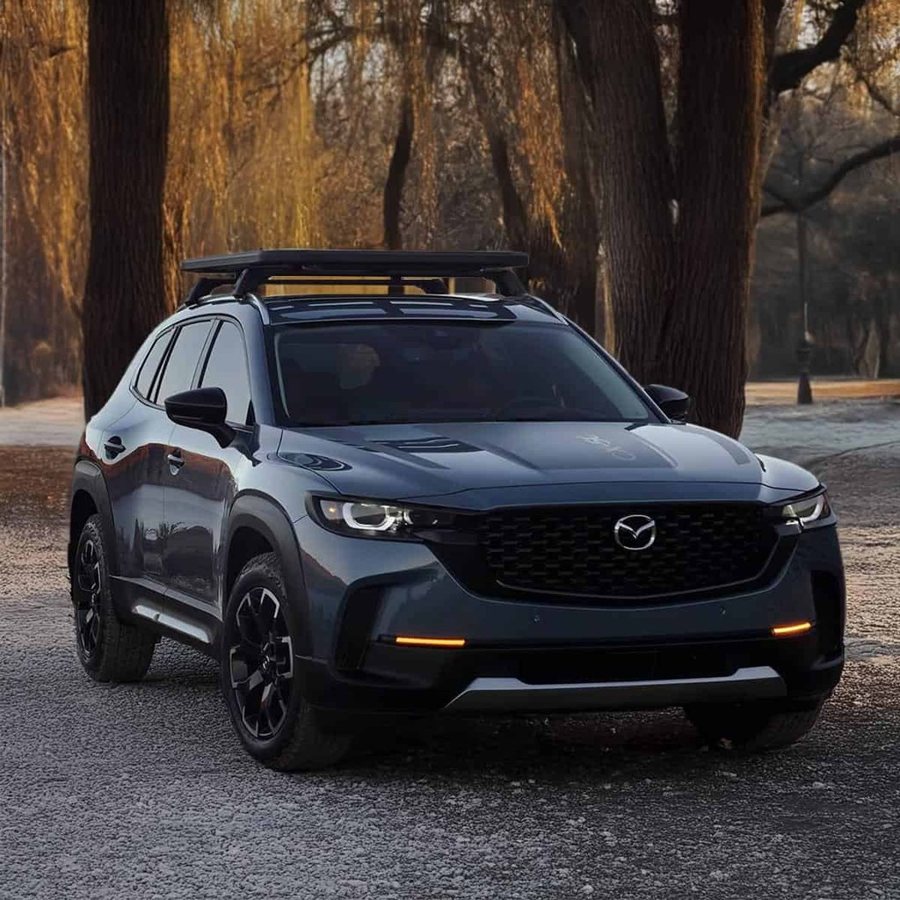
A New Direction for a Refined Brand
Mazda has long been celebrated for its sharp on-road dynamics and near-luxury interiors, but the introduction of the CX-50 marked a distinct pivot toward the great outdoors. While it shares some DNA with the beloved CX-5, the CX-50 is built on a different platform shared with the CX-30 and Mazda3. This foundation gives it a longer, wider, and lower stance designed to handle more rugged terrain without sacrificing the brand's signature driving pleasure.
For drivers seeking a vehicle that can transition seamlessly from a weekday office commute to a weekend campsite, this crossover aims to hit a sweet spot. It targets buyers who might otherwise look at traditional outdoor-focused brands, offering a compelling alternative that prioritizes both aesthetics and athletic handling.
Bold Exterior Styling Built for the Trail
The visual identity of the CX-50 immediately sets it apart from its more urban siblings. It features prominent black plastic body cladding around the wheel arches, a wider track, and a more squared-off silhouette. These design cues are not merely cosmetic; the wider stance provides extra stability on uneven surfaces, and the lower roofline makes it easier to load gear like kayaks or bikes onto roof racks.
Ground clearance is a respectable 8.3 to 8.6 inches depending on the trim level, which is sufficient for mild trail driving, rutted dirt roads, and deep snow. However, buyers should note that while it looks aggressive, it is not designed to be a rock crawler. The approach and departure angles are optimized for light off-roading rather than extreme overland expeditions.
Performance, Engines, and Standard All-Wheel Drive
Under the hood, the CX-50 offers two primary engine choices built around a 2.5-liter four-cylinder engine. The base naturally aspirated version delivers adequate power for daily driving, while the twin-scroll turbocharged variant provides a significant boost in horsepower and torque, making highway passing and mountain climbs effortless. Both engines are paired with a traditional six-speed automatic transmission, eschewing the continuously variable transmissions common in this class.
Mazda's i-Activ All-Wheel Drive comes standard across all trims. The system works in tandem with Mi-Drive, which includes Normal, Sport, and Off-Road modes. The Off-Road mode is particularly clever, adjusting the AWD system, traction control, and engine mapping to help maintain forward momentum on loose surfaces like sand, mud, and gravel.
Interior Craftsmanship and Cargo Practicality
Step inside, and you are greeted by an interior that feels remarkably premium for its price point. Mazda has arranged the cabin with a driver-centric layout, featuring high-quality materials, supportive seating, and an available panoramic sunroof—a feature long requested by Mazda enthusiasts. The seats are designed to support a natural posture, reducing fatigue during long road trips.
In terms of utility, the cargo area is deep and wide, designed to accommodate outdoor gear lengthwise. While the total cargo volume is slightly different from the taller CX-5, the flatter floor and lower liftover height make loading heavy coolers or camping equipment much easier. The rear seats fold flat to expand the cargo capacity, though some taller passengers may find rear legroom slightly snug compared to larger rivals in the segment.
Intuitively Integrated Technology
Mazda takes a unique approach to infotainment, prioritizing driver focus over massive touchscreens. The CX-50 features a dashboard-mounted display controlled primarily via a physical rotary dial on the center console. While this setup can take some getting used to, it quickly becomes second nature and minimizes eyes-off-the-road time. Wireless Apple CarPlay and Android Auto are standard, and the touchscreen functionality is temporarily enabled specifically when using these smartphone integration platforms.
Safety is another strong suit, with the standard i-Activesense suite offering a comprehensive array of driver-assist technologies. This includes adaptive cruise control, lane-keep assist, blind-spot monitoring, and rear cross-traffic alert. Higher trim levels add advanced features like a 360-degree view monitor, which is highly useful when navigating tight parking spaces or avoiding obstacles on narrow trails.
Real-World Economics and Buyer Verdict
When considering the CX-50, prospective buyers should weigh its sporty ride quality. To preserve Mazda's signature handling, the suspension is tuned on the firmer side. This means you will feel more of the road—and the trail—than you might in softer, more cushioned competitors. Fuel economy is competitive for the class but can vary significantly depending on whether you choose the turbocharged engine and how heavily you load the vehicle.
Because automotive pricing, trim availability, and dealership incentives can change rapidly, we highly recommend verifying current local inventory and pricing structures before visiting a showroom. Overall, if you value precise steering, a premium cabin, and a touch of rugged capability without the bulky footprint of a traditional SUV, the CX-50 stands out as a highly compelling choice.