Beyond the Basics: A Deep Dive into the World's Smartest Dog Breeds and How to Challenge Them
Discover which canine breeds lead the pack in intelligence and learn how to keep these highly active minds properly stimulated at home.
Understanding Canine Intelligence
Canine intelligence is not a one-size-fits-all concept. Canine behavioral experts typically categorize dog intelligence into three distinct areas: instinctive intelligence (what the dog is bred to do), adaptive intelligence (what the dog learns to do for itself), and working/obedience intelligence (the ability to learn from human instruction). When people talk about the smartest dog breeds, they are usually referring to working and obedience intelligence, which measures how quickly a breed can learn and reliably execute commands.
However, owning a highly intelligent breed is not always an easy path. A dog that learns commands in fewer than five repetitions can also learn undesirable habits just as quickly. Understanding the nuances of your dog's specific type of intelligence is the first step toward building a harmonious relationship.
The Border Collie: The Ultimate Problem Solver
Widely regarded as the premier canine intellectual, the Border Collie possesses an extraordinary drive to work. Originally bred for herding livestock in demanding terrains, these dogs are famous for their intense focus and ability to control livestock with their gaze. Their capacity to process complex commands at a distance and make split-second decisions is unparalleled in the canine world.
Living with a Border Collie requires a significant commitment to mental exercise. Without a daily job, such as advanced agility training, competitive obedience, or complex herding tasks, a Border Collie may invent their own chores. This often manifests as herding family members, chasing moving shadows, or systematically dismantling household items out of boredom.
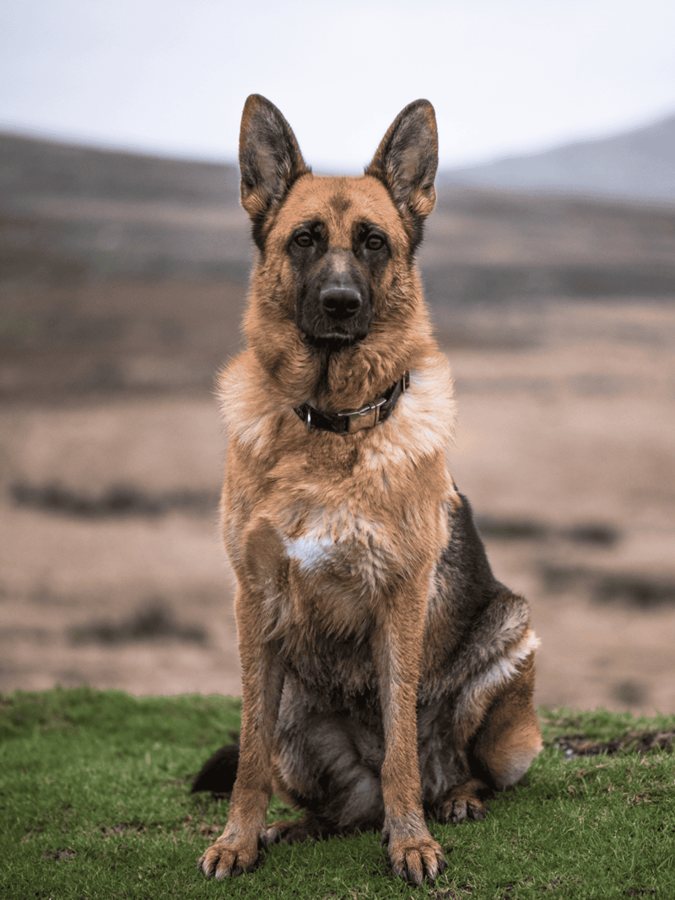
The German Shepherd: Versatile and Loyal Protectors
The German Shepherd is the gold standard for working dogs worldwide, frequently serving in police forces, military units, and search-and-rescue teams. Their intelligence is characterized by extreme adaptability, courage, and an innate desire to protect their pack. They excel at learning complex, multi-step tasks and performing them reliably under high-stress conditions.
Because of their sharp minds and protective instincts, German Shepherds require early, structured socialization and consistent training. They thrive when given clear boundaries and a sense of purpose. If left unguided, their protective nature can morph into over-guarding or anxiety, making structured daily obedience routines essential for their well-being.
The Poodle: Elegant Thinkers with Diverse Skills
Do not let their sophisticated grooming styles fool you; Poodles are incredibly sharp, athletic, and versatile working dogs. Originally bred as water retrievers, Poodles of all sizes—Standard, Miniature, and Toy—possess a high degree of cognitive flexibility. They are exceptionally good at reading human body language and can easily master complex tricks and agility courses.
Poodles are highly social and thrive on interactive play. Their intelligence makes them highly sensitive to their environment, meaning they can easily pick up on their owner's moods. To keep a Poodle mentally satisfied, owners should incorporate retrieving games, water-based activities, and interactive puzzle toys that challenge their problem-solving abilities.
Golden Retrievers and Labradors: Social Intelligence and Eagerness to Please
While often celebrated for their friendly, family-oriented dispositions, Golden Retrievers and Labrador Retrievers consistently rank near the top of canine intelligence charts. Their intelligence is deeply rooted in emotional awareness and an intense desire to please their human companions. This unique combination makes them the preferred choices for service work, therapy roles, and assistance tasks.
These breeds excel at tasks requiring patience and gentle handling. They are capable of understanding a vast vocabulary of words and can be trained to perform highly specific tasks, such as opening doors, retrieving dropped items, or detecting medical emergencies. Training them is highly rewarding because they respond exceptionally well to positive reinforcement and praise.
The Challenges of Owning a Highly Intelligent Dog
While having a dog that can learn tricks in minutes sounds appealing, high canine intelligence comes with unique challenges. Smart dogs require near-constant mental stimulation. When their minds are underutilized, they quickly become bored, which often leads to destructive behaviors like digging, excessive barking, or chewing furniture.
Furthermore, intelligent dogs are masters of manipulation. They quickly figure out how to bypass physical barriers, open cabinets, or train their owners to give them treats on demand. Prospective owners should carefully assess whether they have the time, energy, and patience to stay one step ahead of a highly clever canine companion.
Practical Activities to Keep Smart Dogs Engaged
To keep a highly intelligent dog mentally balanced, you can implement structured cognitive games. One reversible and easy-to-implement activity is scent work, which utilizes a dog's most powerful sensory organ. Start by hiding a specific high-value treat inside one of three identical cardboard boxes. Command your dog to "find it," and reward them enthusiastically when they point to or nose the correct box. You can gradually increase the difficulty by adding more boxes or hiding the treat in different rooms.
Another effective method is introducing interactive puzzle toys that require the dog to slide levers, spin wheels, or lift cups to access food. If you choose to use these toys, always supervise your dog to prevent them from chewing off and swallowing plastic components. If you decide to transition from home games to formal obedience or agility competitions, be sure to verify the specific entry rules, safety standards, and pricing with your local kennel club, as these guidelines frequently change. Always consult with a veterinary behaviorist or certified trainer if you notice signs of severe anxiety or compulsive behaviors in your highly intelligent dog, as these can sometimes be mistaken for simple boredom.