Beyond the Garnish: Creative and Delicious Ways to Cook with Microgreens
Discover how to transform your daily meals by incorporating nutrient-dense microgreens into everything from breakfast smoothies to gourmet dinners.
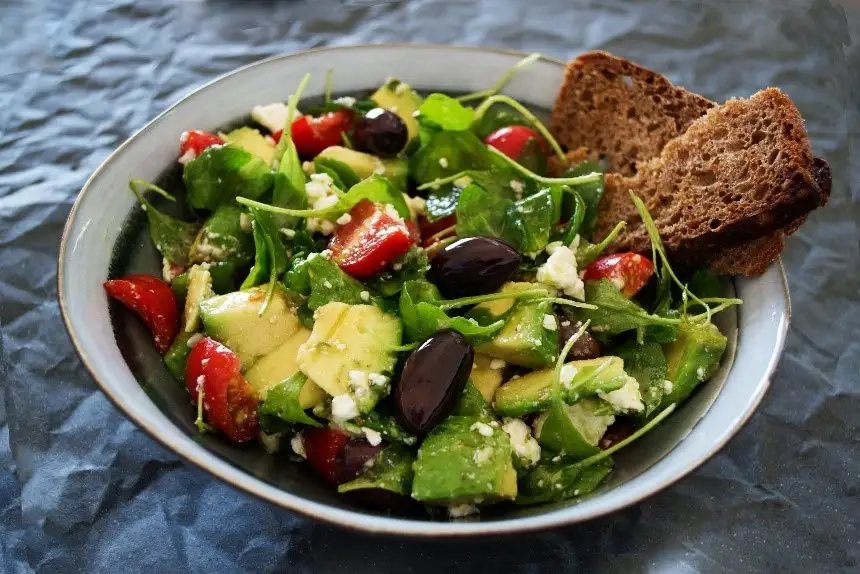
Understanding the Culinary Appeal of Microgreens
Microgreens are much more than a delicate plate decoration found in high-end restaurants. These tiny, young vegetable greens are harvested just after their first true leaves develop, packing an intense concentration of flavor, aroma, and visual appeal. From the fiery kick of radish microgreens to the earthy sweetness of beet shoots, they offer a diverse palette of tastes that can completely transform home-cooked meals.
Integrating these greens into your daily cooking routine does not require professional culinary training. Because of their tender texture, they do not need heavy prep work or extensive cooking times. Instead, they function as dynamic ingredients that can enhance both the flavor profile and aesthetic presentation of almost any dish you prepare.
Sources: www.cdc.gov, www.fda.gov, www.avma.org
Upgrading Your Sandwiches, Wraps, and Burgers
One of the simplest ways to introduce microgreens to your diet is by using them as a direct replacement for traditional head lettuce or spinach in sandwiches and wraps. Standard iceberg lettuce often adds bulk without much flavor, whereas microgreens like broccoli, mustard, or arugula add a concentrated peppery punch and a satisfying crunch.
To prevent your microgreens from getting soggy, always layer them between drier ingredients, such as sliced meats or cheeses, rather than placing them directly against wet condiments like mayonnaise or mustard. If you find the texture or flavor too intense initially, this step is easily reversible: simply mix a small handful of microgreens with your usual leafy greens to dilute the taste until you find your preferred balance.
Sources: www.cdc.gov, www.fda.gov, www.avma.org
Powering Up Your Smoothies and Morning Juices
If you struggle to eat enough leafy vegetables throughout the day, blending microgreens into your morning smoothies is an excellent solution. Unlike mature kale or collard greens, which can leave a fibrous, gritty texture in your blender, microgreens are incredibly tender and pulverize completely into a silky liquid.
Because some varieties—like radish or cabbage microgreens—have a naturally sharp flavor, start by adding just a quarter-cup of mild pea shoots or sunflower microgreens to a fruit-heavy smoothie. If the flavor is too earthy, you can easily neutralize it by adding half a banana or a splash of citrus juice. This allows you to customize the flavor profile incrementally without wasting ingredients.
Sources: www.cdc.gov, www.fda.gov, www.avma.org
Finishing Hot Soups, Pizzas, and Stir-Fries
While microgreens are typically eaten raw, they can be beautifully incorporated into warm dishes if handled correctly. The golden rule is to avoid exposing them to direct, high heat for extended periods, as this will cause them to wilt into mush and lose their delicate flavor.
Instead, use them as a finishing element. Toss a generous handful of arugula or basil microgreens onto a hot pizza immediately after it comes out of the oven, or stir them into a hot bowl of ramen or vegetable soup just before serving. The residual heat from the dish will gently soften the greens and release their aromatic oils without destroying their structural integrity.
Sources: www.cdc.gov, www.fda.gov, www.avma.org
Whizzing Up Microgreen Pestos and Dressings
If you have an abundance of microgreens from a home garden or a local market, you can blend them into vibrant sauces, pestos, and vinaigrettes. Sunflower and pea microgreens make an excellent base for a rustic pesto, offering a nutty undertone that pairs beautifully with garlic and olive oil.
To make a quick microgreen pesto, combine two cups of greens with garlic, parmesan cheese, olive oil, and your choice of toasted nuts in a food processor. If the resulting sauce is too bitter, you can easily adjust the flavor by blending in a handful of sweet basil or adding a squeeze of fresh lemon juice. These sauces can be stored in the refrigerator or frozen in ice cube trays for easy portioning later.
Sources: www.cdc.gov, www.fda.gov, www.avma.org
Keeping Pets Safe Around Your Indoor Garden
Many culinary enthusiasts choose to grow their own microgreens on sunny windowsills for a continuous, fresh supply. However, if you share your home with curious pets, it is vital to research the varieties you choose to cultivate. Some common microgreen varieties, particularly those from the onion, garlic, or chive families, can be highly toxic to dogs and cats.
Before starting an indoor garden, consult reliable resources for pet owners to verify which plants are safe to keep in areas accessible to animals. Because safety classifications and plant lists can occasionally be updated, it is wise to double-check current safety databases regularly. Always consult a licensed veterinarian if you suspect your pet has ingested a potentially harmful plant.
Sources: www.avma.org
Best Practices for Cleaning and Food Safety
Because microgreens are typically consumed raw, proper handling and sanitation are essential to prevent foodborne illness. Like any fresh agricultural product, raw greens can sometimes harbor microscopic parasites such as Cyclospora, which has historically been linked to various foodborne outbreaks across the country. Additionally, other pathogens like Salmonella, E. coli, and Listeria can occasionally contaminate raw produce during the growing or harvesting phases.
To minimize your risk, always purchase your greens from reputable vendors and store them in a clean, dry container in the refrigerator. Wash your microgreens thoroughly under cold, running water immediately before you plan to eat them, rather than washing them before storage, as excess moisture will accelerate spoilage. Please note that this guide provides educational information only; it is not medical or veterinary advice. Consult an appropriately licensed professional for decisions about health care and nutrition.
Sources: www.fda.gov, www.cdc.gov