Beyond the Resort: How to Book Authentic Community Tourism Through Major Travel Brands
Learn how to leverage global travel companies to find genuine, community-led tourism experiences that benefit local economies.
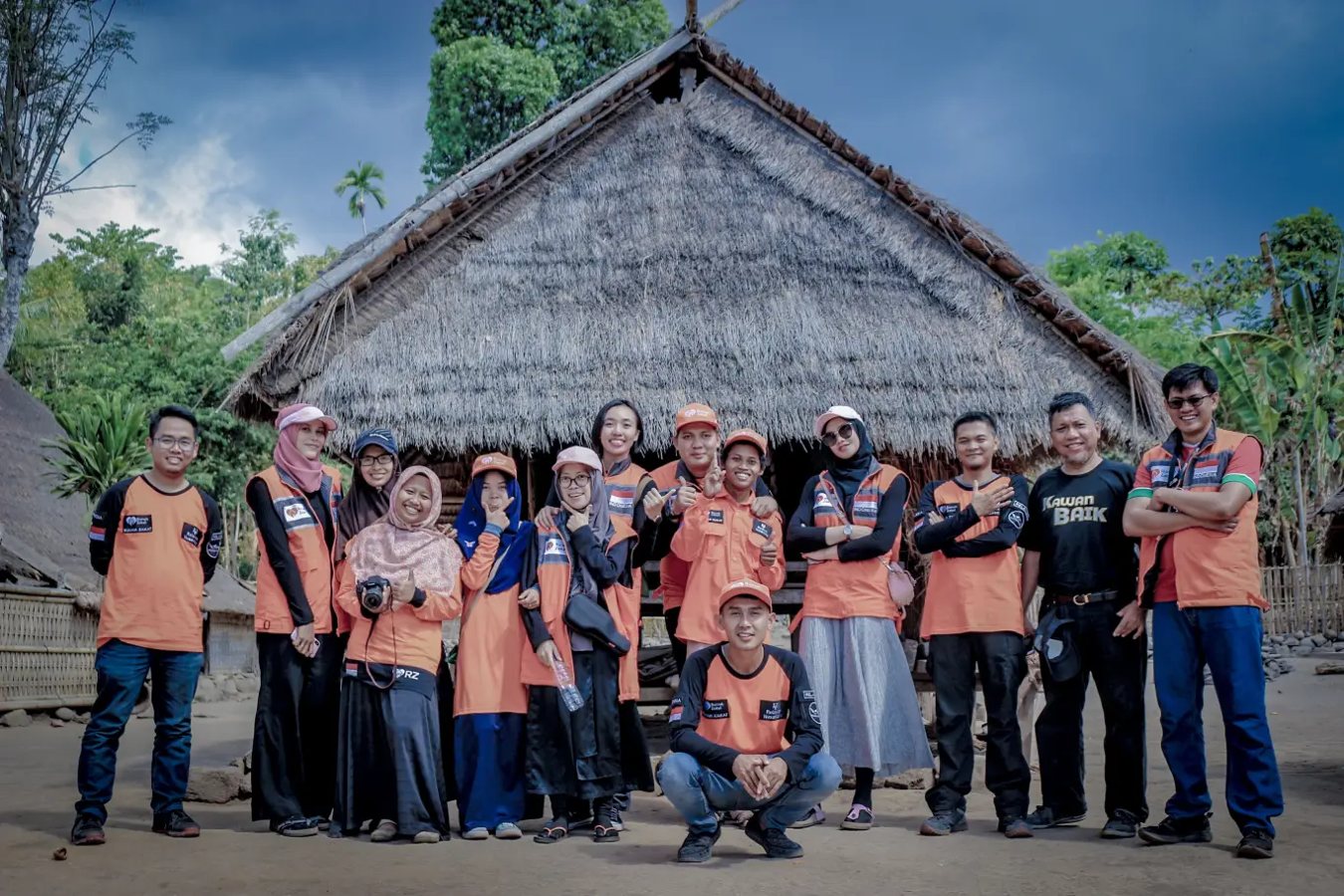
Understanding Community-Based Tourism
Community-based tourism (CBT) shifts the focus of travel from passive consumption to active, respectful engagement. In a traditional tourism model, a significant portion of travel spend can leak out of the host destination, flowing back to multinational corporations. CBT structures experiences so that local residents own, manage, or directly benefit from the tourism activities. This ensures that your vacation spend directly funds local infrastructure, education, and conservation efforts.
When facilitated correctly, these programs offer travelers a rare glimpse into daily life, traditional crafts, and regional culinary arts. However, navigating these setups independently can sometimes be challenging due to language barriers, remote locations, or limited digital booking infrastructure. This is where global travel brands have started stepping in to bridge the gap, providing a platform for grassroots initiatives.
The Shift Toward Big-Brand Partnerships
Historically, finding authentic community tourism required extensive research on niche forums or booking directly with highly localized operators. Today, major global travel companies are increasingly integrating community-owned experiences into their mainstream itineraries. By partnering with international non-profit organizations and local cooperatives, large-scale tour operators can offer these experiences at scale.
This hybrid model combines the logistical reliability of a major travel brand with the authentic, grassroots impact of local hosting. Travelers get the peace of mind that comes with professional trip coordination, safety standards, and clear cancellation policies, while local communities gain access to a steady stream of global visitors they might not otherwise reach.
How to Spot Genuine Community Impact
As community tourism grows in popularity, so does the risk of marketing campaigns that label standard tours as community-led without any real shift in financial distribution. To ensure your booking genuinely supports the hosts, look for clear indicators of local agency. True community tourism programs will explicitly state how funds are distributed or highlight partnerships with reputable third-party non-governmental organizations (NGOs).
Check the itinerary details to see who is running the day-to-day experience. If a local cooperative, family, or village council is named as the direct host, it is highly likely to be a legitimate partnership. Conversely, be cautious of itineraries that treat local communities as mere backdrops for photos rather than active participants and guides.
Step-by-Step Booking Strategies
To find these experiences on major travel platforms, start by searching for designated impact or sustainable collections. Many global operators now group these itineraries under specific labels. When browsing a major booking engine or tour operator's website, look for filter options labeled "community-led," "local impact," or "sustainable travel."
Once you find a promising itinerary, cross-reference the tour details. Search for the name of the local community or partner cooperative online to verify their independent presence. If the global brand lists a partner NGO, visit that NGO's website to confirm their active collaboration. This extra step helps verify that the partnership is active and mutually beneficial before you make a financial commitment.
Cultural Etiquette and On-the-Ground Preparation
Participating in community tourism requires a shift in traveler mindset. Because you are entering living, working communities rather than curated tourist zones, respecting local customs is paramount. Before your trip, research basic cultural norms regarding dress codes, gift-giving, and photography. Many communities prefer that visitors ask permission before taking photos of residents, particularly children.
Additionally, consider your environmental footprint. Remote communities may not have waste management systems capable of processing plastic packaging or disposable electronics. Pack light, bring reusable items, and plan to carry any non-biodegradable waste back to major cities for proper disposal.
Managing Logistics and Verifying Changing Rules
Because community-run initiatives operate in dynamic local environments, schedules, access rules, and pricing can change with little notice. Seasonal weather, agricultural cycles, or local community events may require sudden adjustments to your itinerary. It is essential to remain flexible and approach these changes with patience.
Always confirm the current operating status and pricing of community visits directly with your primary booking agent shortly before your departure. Since local regulations, permit requirements, and health protocols can evolve, keeping an open line of communication with your tour provider ensures you avoid unexpected disruptions while supporting the community safely and responsibly.