Beyond the Triangle: Why the Classic Food Pyramid Failed Us
Modern nutritional science has moved past the rigid food pyramids of the past, revealing significant drawbacks in how we once categorized healthy eating.
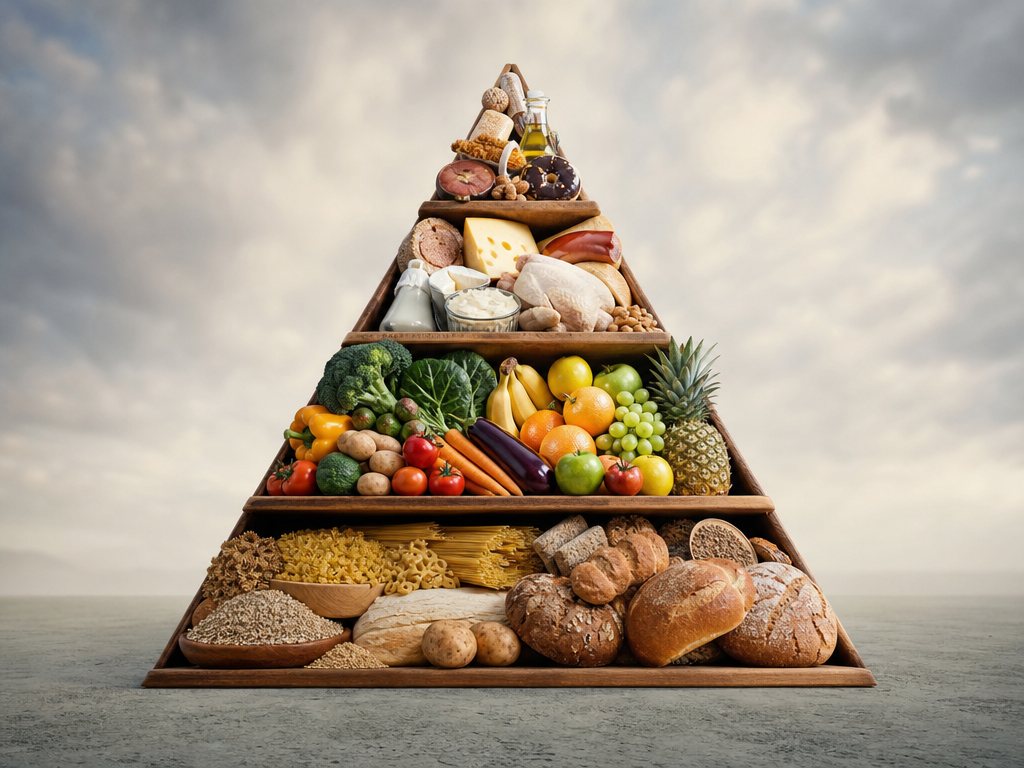
The Rise and Fall of the Food Guide Pyramid
For decades, the triangular food pyramid served as the primary visual guide for healthy eating in many households. Introduced to help the public make better dietary choices, it structured food groups into horizontal tiers, implying that the foods at the bottom should form the foundation of every meal. However, as nutritional science progressed, experts began to realize that this rigid hierarchy was far too simplistic for the complexities of human metabolism. Educational information only; it is not medical or veterinary advice. Consult an appropriately licensed professional for decisions about care.
Sources: www.cdc.gov
The Carb-Heavy Foundation Problem
At the base of the classic pyramid sat the bread, cereal, rice, and pasta group, with a recommendation of 6 to 11 servings per day. By grouping all carbohydrates together, the pyramid failed to distinguish between highly refined grains and fiber-rich whole grains. Consuming large quantities of refined carbohydrates can lead to rapid spikes in blood sugar and insulin resistance. Because the visual guide did not clearly warn against processed white flour and added sugars within this category, many consumers unknowingly built their diets on foods that contributed to weight gain and metabolic dysfunction rather than vibrant health.
Sources: www.cdc.gov
The Misunderstanding of Dietary Fats
Another major drawback was the demonization of all fats. The classic pyramid placed all fats, oils, and sweets in the tiny tip of the triangle with the instruction to "use sparingly." This created a public perception that all dietary fat was inherently harmful. In reality, healthy fats—such as monounsaturated and polyunsaturated fats found in nuts, seeds, and olive oil—are essential for hormone production, brain health, and nutrient absorption. By failing to separate these beneficial fats from trans fats and highly processed oils, the pyramid steered people toward "low-fat" processed foods that were often loaded with sugar to compensate for lost flavor.
Sources: www.cdc.gov
Neglecting Lifestyle and Activity Balance
A static food illustration cannot capture the dynamic nature of energy balance. The original pyramid focused solely on what went onto the plate, completely ignoring physical activity. Modern health guidelines emphasize that nutrition cannot be separated from movement. To maintain a healthy weight, individuals must balance the calories they consume with the energy they expend through daily movement and exercise. This modern understanding of balancing food and activity is crucial for long-term wellness, representing a major shift away from the static portions of the old pyramid model.
Sources: www.cdc.gov, www.fda.gov, www.avma.org
Overlooking Food Safety and Quality
A visual pyramid focuses on broad food categories but fails to address food quality, preparation, or safety. Knowing how many servings of fruits and vegetables to eat is of little use if those foods are contaminated or improperly handled. For instance, raw produce can sometimes carry microscopic parasites, such as Cyclospora, which cause foodborne illnesses. Consumers must look beyond basic food groups to learn about food safety, proper washing techniques, and active recall alerts to protect themselves from contamination.
Sources: www.fda.gov
Transitioning to Modern Dietary Models
In response to these drawbacks, nutritional guidelines have transitioned to more intuitive tools, such as plate-based models that emphasize proportions rather than rigid servings. These newer guides encourage filling half the plate with fruits and vegetables and choosing whole grains over refined options. Because dietary guidelines and health recommendations continue to evolve as new research emerges, it is important to treat these models as flexible frameworks rather than absolute rules. Always consult a licensed professional to tailor a nutrition plan to your specific health needs.
Sources: www.cdc.gov, www.fda.gov, www.avma.org