Driving Green: A Practical Guide to Choosing Between Gas and Electric Vehicles
Weigh the environmental impacts, long-term costs, and daily realities of internal combustion engines versus battery electric vehicles to find your ideal ride.
Demystifying the Environmental Footprint
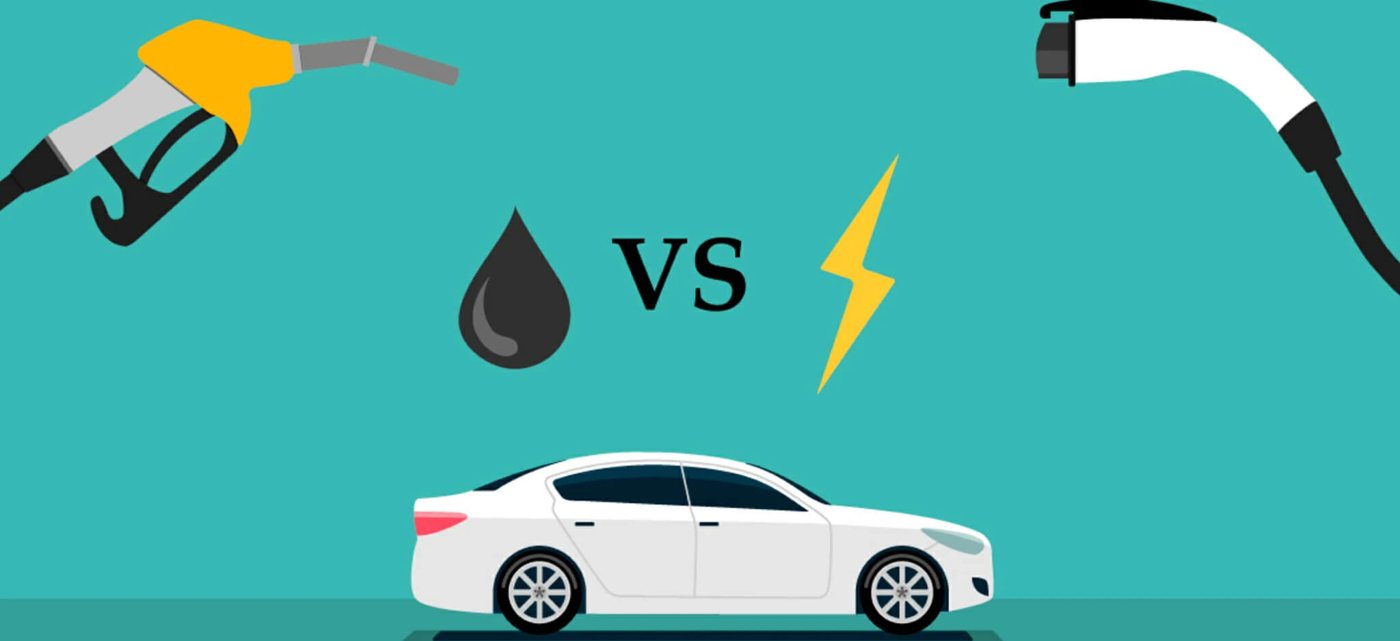
When comparing internal combustion engine (ICE) vehicles to battery electric vehicles (EVs), understanding the lifecycle emissions is crucial. Traditional gas cars emit carbon dioxide and other pollutants directly from the tailpipe throughout their operational life. EVs, conversely, produce zero tailpipe emissions, making them highly effective at reducing localized air pollution in urban environments.
However, the environmental footprint of an EV is heavily front-loaded. The manufacturing process, particularly the mining and processing of raw materials for lithium-ion batteries, is energy-intensive and currently generates more emissions than manufacturing a standard gas vehicle. Over time, this deficit is paid back as the EV is driven. How quickly you reach that environmental break-even point depends largely on your local power grid. If your electricity comes primarily from renewable sources like wind or solar, the payback period is brief. If your grid relies heavily on coal or natural gas, the payback period will be longer, though still generally favorable over the vehicle's lifespan.
Analyzing the True Cost of Ownership
The financial comparison between gas and electric vehicles extends far beyond the initial sticker price. Historically, EVs have commanded a premium upfront. While government incentives, tax credits, and manufacturer rebates can significantly close this gap, these programs are subject to frequent regulatory changes. Eligibility rules often depend on vehicle assembly locations, battery component origins, and buyer income levels, meaning you must verify current local guidelines before making a purchase decision.
Ongoing operational costs present a different dynamic. Electric motors have far fewer moving parts than internal combustion engines, eliminating the need for oil changes, spark plug replacements, and complex transmission services. Fueling costs also differ; electricity is generally cheaper than gasoline per mile, but utility rates fluctuate based on your region and the time of day you charge. Calculating your local utility's off-peak rates against local gas station prices is essential to projecting your actual monthly savings.
Charging Infrastructure and Daily Range
For many prospective buyers, "range anxiety" remains a primary hurdle to EV adoption. If you have access to a dedicated garage or driveway, installing a Level 2 charging station allows you to replenish the battery overnight. This setup provides the convenience of starting each day with a full charge, effectively eliminating the need for public charging infrastructure during daily commutes.
For renters, street-parkers, or frequent road-trippers, the experience relies heavily on public charging networks. Public DC fast chargers can replenish a battery rapidly, but their availability, charging speeds, and operational uptime can vary significantly by region. Before committing to an EV, it is wise to download charging map applications and physically visit local stations to confirm they are functional and compatible with your prospective vehicle's plug standard.
Driving Dynamics and Performance Differences
The physical experience of driving an EV differs markedly from a traditional gas vehicle. Electric motors deliver maximum torque instantly, resulting in smooth, rapid acceleration without the delay of gear shifts. Additionally, most EVs utilize regenerative braking systems. This technology captures kinetic energy when you lift your foot off the accelerator, using it to recharge the battery while slowing the vehicle down. This allows for "one-pedal driving" and reduces wear on the mechanical brake pads.
Gasoline vehicles offer a highly predictable and familiar driving experience that remains consistent regardless of external conditions. In contrast, EV battery efficiency is sensitive to extreme weather. Very cold temperatures can temporarily reduce an EV's driving range by a notable percentage due to chemical slowdowns in the battery and the high energy demand of heating the cabin. If you live in a climate with harsh winters, you must factor this seasonal range reduction into your travel planning.
Step-by-Step Transition Planning
To determine if an electric vehicle fits your lifestyle, begin by tracking your daily mileage for two consecutive weeks. Note the maximum distance you travel in a single day without an extended stop. Compare this peak distance to the conservative, cold-weather range of the EV models you are considering. If your daily peak is well within that limit, an EV will require minimal changes to your daily routine.
Next, perform a reversible audit of your home's electrical capacity. A Level 2 charger requires a dedicated 240-volt circuit, similar to a heavy-duty clothes dryer. Hire a licensed electrician to inspect your electrical panel to determine if it can handle the additional load without requiring a costly service upgrade from your utility provider. Getting this assessment done early prevents unexpected installation costs after you have already purchased the vehicle.
Navigating Future Resale and Tech Obsolescence
Automotive technology is evolving rapidly, particularly in the battery sector. Newer EV models continually offer longer ranges, faster charging capabilities, and improved chemistry. While this rapid innovation is positive for the industry, it can accelerate the depreciation of older EV models, as buyers on the secondary market may favor newer battery tech.
To mitigate the risk of technological obsolescence, leasing can be a highly viable pathway for those entering the EV market. Leasing allows you to drive the vehicle during its peak battery health years and simply return it when the lease ends, shielding you from depreciation risks. If you prefer to buy and hold your vehicles long-term, carefully review the manufacturer's battery warranty. Most brands guarantee battery capacity up to a certain percentage for several years, but these terms vary and should be confirmed in writing prior to purchase.