Evaluating Premium Freeze-Dried Dog Food: A Complete Guide to Nutra-Style Nutrition
Learn how to analyze freeze-dried dog food formulas, transition your pet safely, and verify safety recalls using official consumer resources.
Understanding Freeze-Dried Pet Nutrition
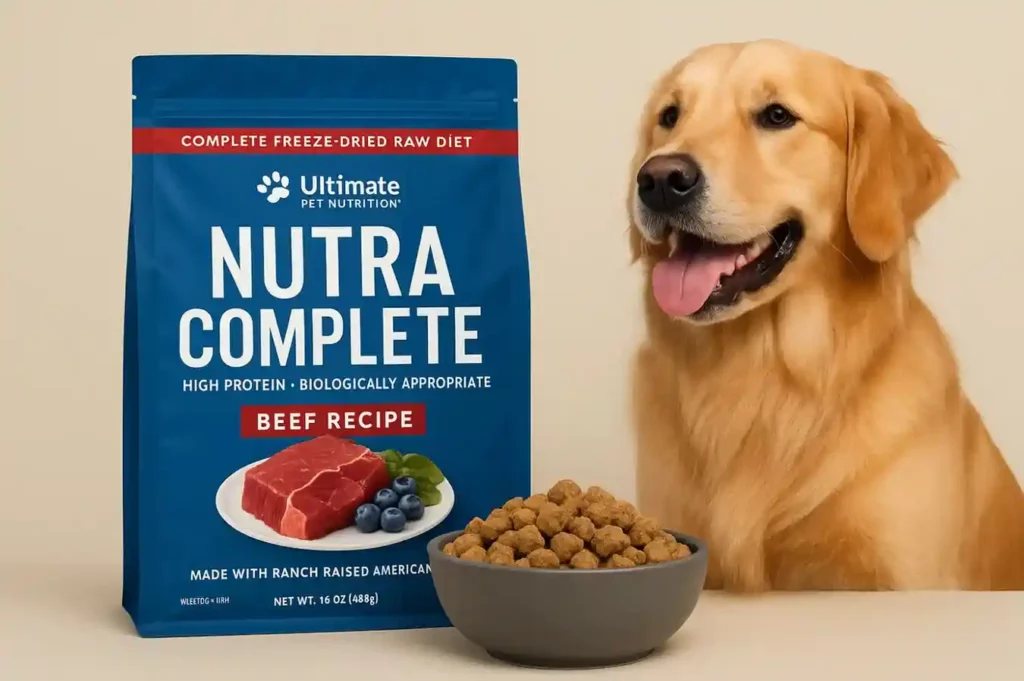
Many pet owners are moving away from traditional kibble in favor of freeze-dried raw diets, such as Nutra Complete. Freeze-drying is a preservation process that removes moisture from raw ingredients at extremely low temperatures. This method is designed to lock in the natural vitamins, minerals, and amino acids found in raw meats and vegetables without using high-heat processing, which can degrade sensitive nutrients. These premium formulas often aim to mimic a canine's ancestral diet by emphasizing high-quality animal proteins.
While freeze-dried foods offer convenience and shelf-stability compared to frozen raw diets, they also represent a significant change in how your dog processes nutrients. Before switching your pet's daily regimen, it is highly recommended to research the general nutritional needs of your specific breed. Pet owners can find valuable general health guidance and educational materials through veterinary advocacy organizations to help them understand these dietary baselines.
Sources: www.avma.org
Key Ingredients to Look For in Premium Formulas
When reviewing high-end freeze-dried dog foods, the ingredient list is your most valuable tool. Look for products where real animal proteins—such as beef, chicken, or turkey—and organ meats make up the primary ingredients. Organ meats like liver and kidney are naturally dense in essential vitamins and amino acids. Additionally, premium blends often incorporate prebiotic fibers, antioxidant-rich berries, and healthy seeds to support overall digestion and immune function.
Because pet food formulations, ingredient sourcing, and manufacturing practices can change without warning, consumers should regularly check the packaging labels for the most up-to-date ingredient lists. The regulatory landscape for animal feed and veterinary products ensures that these labels must meet specific standards. Knowing how to read these labels helps you identify whether a product truly meets your dog's nutritional requirements.
Sources: www.fda.gov
Safety Considerations for Raw and Freeze-Dried Foods
While freeze-drying eliminates moisture to halt bacterial growth, raw pet foods still require careful handling to prevent contamination. Pathogens such as Salmonella or Listeria can occasionally be present in uncooked meats. This presents a health risk not only to your dog but also to the humans in your household who handle the food or touch contaminated surfaces.
To minimize these risks, always wash your hands thoroughly with soap and water after handling any pet food or treats. Clean and sanitize all pet bowls, measuring scoops, and countertops that come into contact with the food. Staying informed about active food safety investigations and general hygiene best practices is a crucial step in maintaining a healthy home environment for both humans and animals.
Sources: www.cdc.gov
How to Transition Your Dog to a New Diet
Switching your dog to a freeze-dried raw diet too quickly can cause gastrointestinal distress, including vomiting or diarrhea. To avoid this, implement a gradual transition over a period of roughly nine to ten days. This slow introduction allows your dog's digestive enzymes and microbiome to adjust to the rich, nutrient-dense ingredients.
Follow this step-by-step transition plan:
1. Days 1 to 3: Serve 25% of the new freeze-dried food mixed with 75% of your dog's current food.
2. Days 4 to 6: Feed a 50/50 mix of the new and old food.
3. Days 7 to 9: Increase the ratio to 75% of the new food and 25% of the old food.
4. Day 10: Serve 100% of the new freeze-dried food.
This process is completely reversible. If your dog experiences any mild digestive upset at any stage, immediately revert to the previous ratio for a few additional days before attempting to increase the new food again. If severe symptoms occur, halt the transition and consult a professional.
Sources: www.avma.org
Monitoring Recalls and Verifying Product Safety
No matter how premium a pet food brand claims to be, manufacturing errors can happen. Responsible pet owners should proactively monitor product safety alerts. Government health agencies regularly publish consumer updates regarding animal food safety, contamination risks, and product recalls.
Before purchasing a new batch of freeze-dried food, you can check official online databases for any recent enforcement actions or voluntary recalls. Checking these consumer safety updates regularly ensures that the food you are serving remains safe and free from manufacturing defects. If you suspect a pet food has made your animal sick, you can also use these consumer portals to report the adverse event directly to regulatory authorities.
Sources: www.fda.gov
Professional Guidance and Disclaimer
Every dog has unique dietary needs influenced by their age, weight, activity level, and underlying health conditions. High-protein or raw-style diets may not be appropriate for dogs with specific medical histories, such as pancreatitis or kidney disease. Always consult with a licensed veterinarian before making major changes to your pet's diet to ensure the chosen formula aligns with their specific wellness plan.
Educational information only; it is not medical or veterinary advice. Consult an appropriately licensed professional for decisions about care.
Sources: www.avma.org