How to Reduce the Carbon Footprint of Your Daily Diet
A practical, step-by-step guide to making eco-friendly food choices that lower your environmental impact without sacrificing flavor or nutrition.
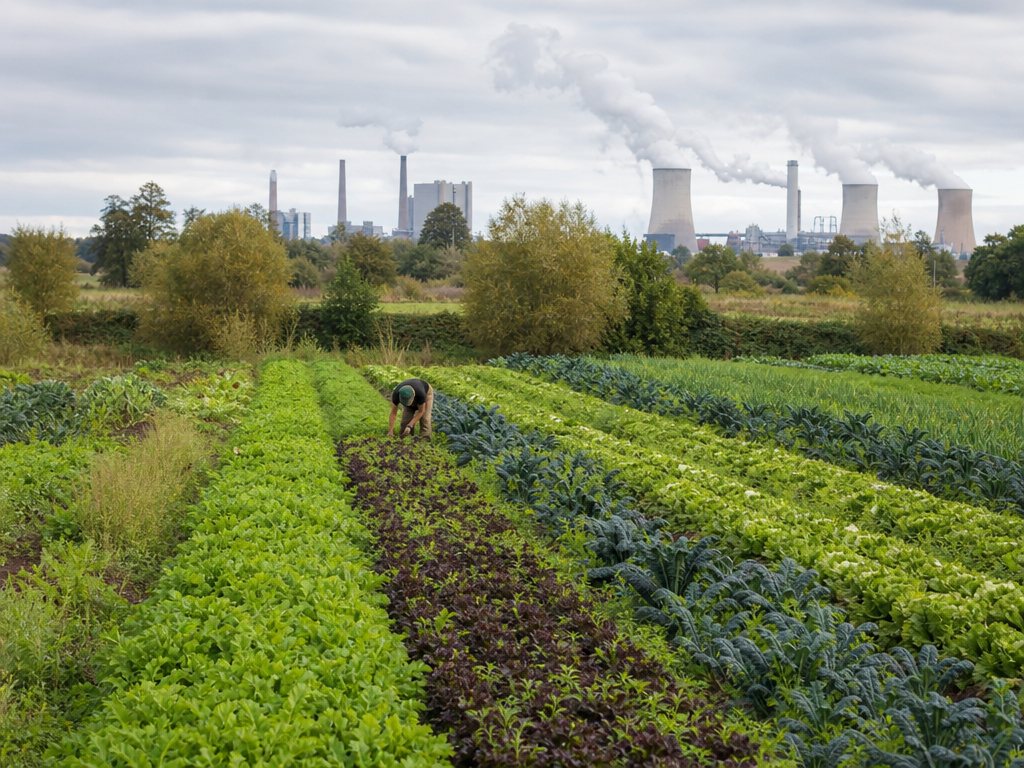
Understanding Your Food's Carbon Footprint
Every meal we consume carries an invisible environmental cost. From the energy used to plow agricultural fields to the fuel burned transporting ingredients across continents, the global food system is a major driver of greenhouse gas emissions. However, because these processes occur far from our kitchen tables, it can be difficult to conceptualize how our personal choices translate into environmental consequences.
To begin managing your dietary carbon footprint, it is helpful to look at the life cycle of different food groups. Protein sources, dairy, out-of-season produce, and highly processed goods generally demand far more resources than whole, plant-based foods. While online carbon calculators can offer rough estimates of your impact, keep in mind that these tools rely on regional averages. Actual emissions can vary wildly based on specific farming practices, local energy grids, and distribution networks.
Transitioning to a Plant-Forward Plate
One of the most effective ways to lower your personal environmental impact is to reduce your consumption of resource-intensive animal products. Ruminant livestock, such as beef and lamb, require vast tracts of land for grazing and feed production, and they naturally produce methane during digestion. By shifting the balance of your plate toward legumes, grains, seeds, and vegetables, you can dramatically lower the greenhouse gases associated with your diet.
Making this change does not require an overnight transition to a strict vegan lifestyle. Instead, try a highly reversible and flexible approach: implement one or two meat-free days per week, or swap out beef for lower-impact proteins like poultry, lentils, or tofu. Gradually adjusting your ingredient ratios allows your palate and your cooking routines to adapt naturally, making the lifestyle shift much more sustainable over the long term.
Minimizing Household Food Waste
When food is discarded and ends up in a landfill, it decomposes anaerobically, releasing methane—a greenhouse gas far more potent than carbon dioxide. Reducing food waste at home is a direct, highly actionable way to fight climate change while simultaneously saving money on your grocery bill.
To tackle waste, establish a weekly refrigerator audit. Before heading to the store, take a photograph of your fridge shelves to avoid buying duplicate items, and plan meals around ingredients that are nearing their expiration dates. If you find your leafy greens starting to wilt, you can easily revive them by submerging them in a bowl of ice water for fifteen minutes. This simple, reversible step restores cell turgor pressure, turning limp vegetables crisp again instead of sending them to the trash.
Sourcing Locally and Seasonally
Food miles—the distance food travels from farm to plate—contribute significantly to transport emissions, particularly when goods are flown in on cargo planes. Eating seasonally helps align your diet with local harvest cycles, reducing the demand for imported goods and energy-intensive heated greenhouses that simulate spring conditions during winter months.
Get into the habit of checking origin labels at your grocery store or shopping at local farmers' markets. Because climate conditions and agricultural capabilities vary by state and country, check your regional agricultural extension office or local harvest calendars to confirm which crops are genuinely in season near you. If local options are limited, prioritizing frozen vegetables can be an excellent alternative, as they are processed at peak harvest and transported via lower-emission shipping methods.
Evaluating Packaging and Processing
The carbon footprint of food is not determined solely by what is grown, but also by how it is packaged and processed. Highly processed foods require multiple industrial steps, intensive machinery, and complex supply chains. Furthermore, single-use plastic packaging requires fossil fuels to manufacture and generates emissions during both production and waste management.
To combat this, aim to purchase whole, minimally processed ingredients in bulk when possible. Bring reusable mesh bags for produce and dry goods to minimize reliance on thin plastic bags. While recycling guidelines vary by municipality, opting for highly recyclable materials like aluminum and glass over multi-layer plastic pouches is generally a safer bet for reducing long-term landfill waste.
Optimizing Kitchen Energy and Composting
The final stage of a food item's carbon journey occurs right in your kitchen. Traditional ovens require a substantial amount of energy to preheat and run. Whenever possible, opt for smaller, more efficient appliances like toaster ovens, microwaves, air fryers, or pressure cookers, which cook food faster and use a fraction of the electricity or gas.
Finally, for the food scraps you cannot avoid—such as banana peels, onion skins, and coffee grounds—set up a home composting system or utilize a municipal organic waste program. Composting introduces oxygen into the decomposition process, which drastically limits methane production and yields nutrient-rich soil helper. If you live in an apartment, look into indoor vermicomposting or local drop-off kiosks, checking your city's specific rules to ensure you are sorting materials correctly.