Master the Art of the Carry-On: Strategic Hacks to Stop Overpacking for Good
Learn how to downsize your luggage, optimize your wardrobe, and pack smarter using proven spatial and psychological strategies.
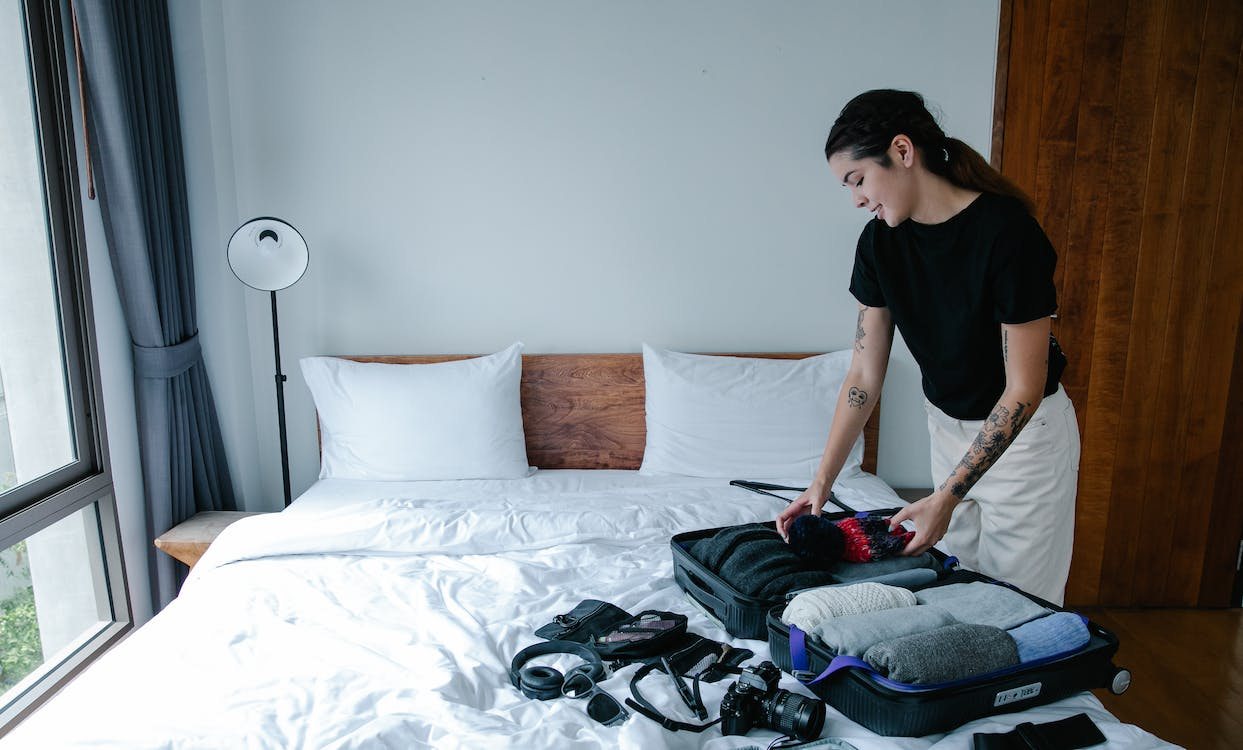
The Mental Shift: Auditing Your 'Just in Case' Mindset
Overpacking rarely stems from a lack of physical space; instead, it is driven by the anxiety of being unprepared. Many travelers pack for hypothetical scenarios—such as sudden formal dinners, unexpected monsoons, or drastic temperature drops—that rarely materialize. To break this cycle, you must shift your mindset from packing for 'what if' to packing for 'what is.' Realistically evaluate your itinerary and accept that if an absolute emergency arises, you can almost certainly purchase a replacement item or utilize local laundry services at your destination.
To put this into practice, perform a pre-packing audit. Lay out every item you plan to bring on a flat surface. Categorize each item into 'essentials' (items you will use daily) and 'optionals' (items packed just in case). Force yourself to remove at least half of the optional category. If you are hesitant, remind yourself that carrying a lighter bag yields immediate physical benefits, saving you from shoulder strain and transit fatigue throughout your journey.
The 5-4-3-2-1 Rule: Designing a Modular Capsule Wardrobe
One of the most effective frameworks for limiting clothing bulk is the 5-4-3-2-1 rule. This modular packing method limits your wardrobe to five sets of socks and underwear, four tops, three bottoms, two pairs of shoes, and one hat or outerwear piece. By restricting the sheer volume of clothing, you force yourself to select highly versatile garments that can be layered and mixed to create dozens of distinct outfits.
To make this system work, stick to a cohesive color palette. Choose two neutral base colors (such as navy, black, or grey) and one accent color. Every top should easily pair with every bottom in your bag. Prioritize lightweight, synthetic, or merino wool fabrics over heavy cottons. Merino wool is particularly valuable for travel because it naturally resists odors and dries quickly, allowing you to wash items in a hotel sink and air-dry them overnight.
Compression and Organization: Maximizing Every Cubic Inch
How you arrange items inside your bag is just as important as what you bring. Standard folding creates air pockets and structural chaos, leading to wasted space and wrinkled garments. Instead, utilize a combination of rolling and bundle packing. Rolling soft garments like t-shirts, activewear, and undergarments into tight cylinders prevents deep creases and allows them to fit snugly into the gaps between larger items.
For structured items like button-down shirts or blazers, try the bundle packing method, where you wrap garments around a central core of soft items (like socks and underwear) to avoid sharp folds. To organize these bundles, invest in double-zipper compression packing cubes. These cubes feature an extra zipper designed to expel excess air, shrinking the volume of your clothing by up to 30 percent. However, use caution: compression cubes do not reduce weight, so monitor your bag’s total mass to avoid exceeding airline limits.
The One-In, One-Out Toiletries Strategy
Toiletries are a primary culprit of heavy, bloated luggage. To streamline this category, transition to solid alternatives wherever possible. Solid shampoo bars, conditioner bars, solid deodorants, and toothpaste tablets completely bypass liquid restrictions and eliminate the risk of messy spills inside your bag. For the liquids you must bring, decant them into small, reusable silicone bottles rather than buying pre-packaged travel-sized items, which are often expensive and environmentally wasteful.
Keep in mind that airport security screening rules regarding liquids are subject to change and can vary significantly by country and individual airport. While some modern airports utilize advanced 3D scanners that allow liquids to remain inside your bag, many still strictly enforce the standard plastic bag rule. Always verify the current baggage and security screening rules of your departure, transit, and arrival airports before traveling to avoid having expensive products confiscated.
Footwear Discipline: The Two-Pair Maximum
Shoes are heavy, bulky, and exceptionally difficult to pack efficiently. Because of this, you should enforce a strict two-pair limit for almost any trip. Wear your heaviest, bulkiest footwear—such as hiking boots or thick sneakers—on the plane or during transit. Pack your second, lighter pair flat at the bottom of your luggage.
To maximize the space occupied by your packed shoes, treat them as storage containers. Stuff the interiors of your shoes with small, malleable items like socks, chargers, rolled underwear, or fragile souvenirs wrapped in cloth. This not only preserves the structural shape of your shoes under pressure but also reclaims valuable dead space that would otherwise go unused.
Pre-Trip Audits and Verifying Airline Constraints
Before you zip your bag for the final time, perform a physical weight and size check. Fully pack your bag, lift it using a portable digital luggage scale, and measure its exterior dimensions, including the wheels and handles. Many travelers overlook the wheels, which can add an extra inch or two and cause a bag to fail a gate agent's sizing box test.
Baggage weight limits and dimensional allowances are highly volatile and vary dramatically between carriers, especially budget airlines. A bag that passes as a free carry-on on a domestic legacy carrier may incur steep gate fees on an international low-cost airline. Because airlines frequently update their fee structures and size definitions, always check your specific carrier's official website within 48 hours of departure to confirm their current limitations. If your bag is tracking close to the weight limit, wear your heaviest jacket and pocket your densest electronics during check-in to safely bypass the scale.