Navigating Gas Tax Holidays: How Temporary Fuel Relief Affects Your Wallet
Learn how temporary fuel tax suspensions lower your costs at the pump and how to adjust your household budget during these periods.
Understanding the Mechanics of a Gas Tax Holiday
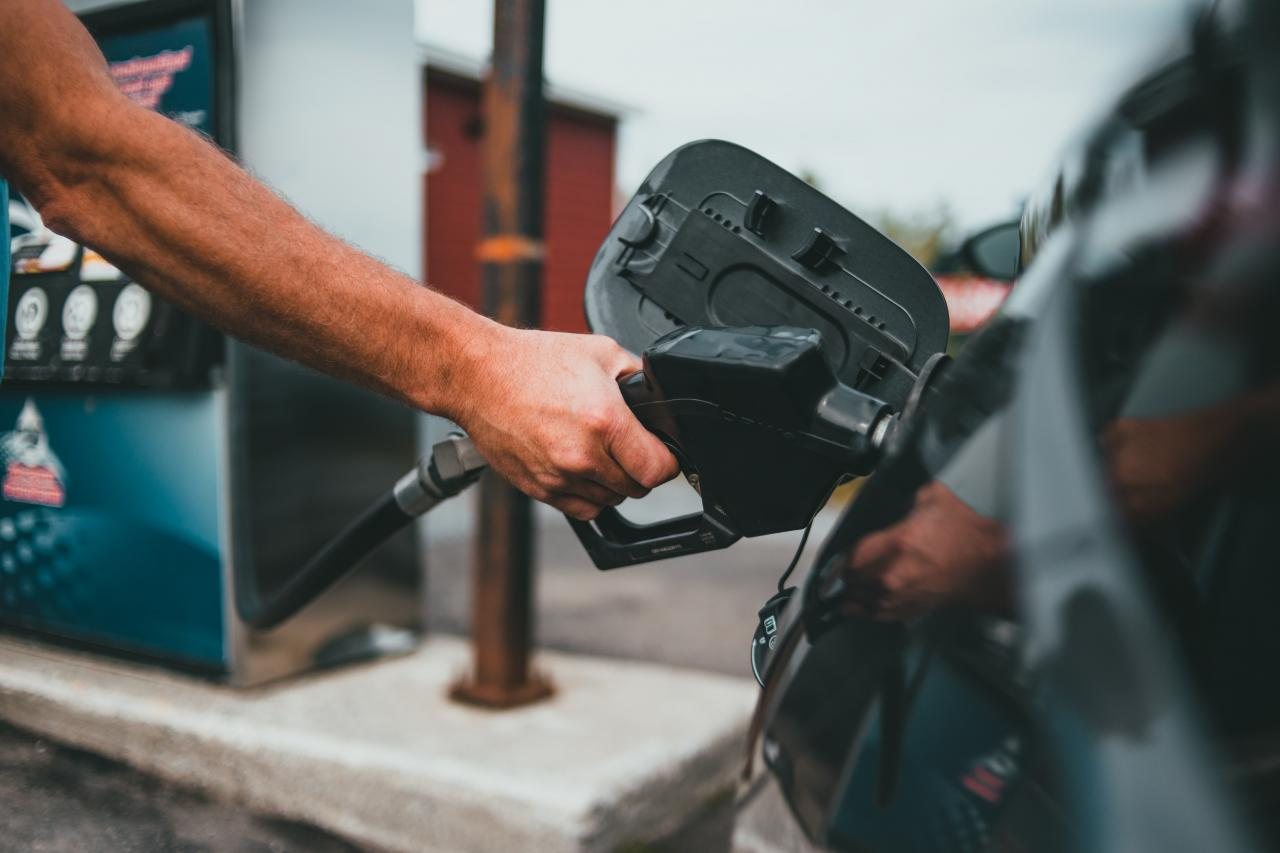
A gas tax holiday is a temporary legislative pause on state or federal fuel taxes, designed to offer immediate relief to consumers when energy prices spike. These taxes are typically built directly into the retail price per gallon. When a holiday is declared, the governing body suspends the collection of these taxes, which theoretically allows retail stations to lower their prices by the corresponding amount.
Sources: www.consumerfinance.gov, www.ftc.gov, www.irs.gov, www.fcc.gov, www.archives.gov, www.va.gov
Adjusting Your Monthly Budget for Fuel Savings
When fuel prices drop, it frees up cash flow in your monthly budget. Rather than letting these savings disappear into discretionary spending, you can reallocate the funds systematically. Using educational tools can help you plan. For example, the Consumer Financial Protection Bureau provides guides for financial decisions and tools to help plan for big financial goals or manage day-to-day money. Tracking your baseline fuel spending before and during the holiday allows you to redirect the extra cash to high-yield savings or debt reduction.
Sources: www.consumerfinance.gov
Standard Mileage Rates and Tax Deductions
For self-employed individuals, freelancers, and business owners, driving costs are a major tax consideration. The Internal Revenue Service (IRS) sets standard mileage rates annually for business, medical, and moving purposes. Even during a temporary state gas tax holiday, the federal standard mileage rate generally remains consistent for the tax year. This means you might enjoy lower actual out-of-pocket costs at the pump while still claiming the standard federal deduction rate. However, because tax rules and standard rates can adjust, taxpayers should always check current guidelines or consult a tax professional before filing.
Sources: www.irs.gov
Smart Consumer Strategies During Fuel Price Fluctuations
During periods of highly publicized tax holidays, bad actors may try to exploit consumer confusion. Some stations might falsely claim to offer the tax discount while keeping prices artificially inflated, or online scams might offer fake promotional fuel cards. The Federal Trade Commission (FTC) provides valuable consumer advice on smart shopping and avoiding deceptive business practices. Always compare local prices using reputable fuel-tracking apps to ensure you are actually receiving the benefit of the tax holiday, and report any suspected price-fixing or deceptive marketing to state authorities.
Sources: www.ftc.gov
Calculating Your Actual Fuel Savings
To know if a gas tax holiday is truly helping your finances, you can perform a simple, reversible calculation. First, record your vehicle's average miles per gallon (MPG) and the total miles you drive each week. Divide your weekly mileage by your MPG to find your weekly gallon usage. Multiply this by the suspended tax rate per gallon to find your exact weekly savings. For example, if you use 15 gallons of gas per week and your state suspends a $0.30 per gallon tax, you save $4.50 weekly. When the holiday ends, reverse this calculation in your budget spreadsheet to prevent overdrawing your checking account when fuel costs return to normal.
Sources: www.consumerfinance.gov, www.ftc.gov, www.irs.gov, www.fcc.gov, www.archives.gov, www.va.gov
Long-Term Auto Financing and Commuting Costs
While temporary tax holidays offer short-term relief, long-term commuting costs are heavily influenced by your vehicle choice and how you finance it. If you are considering upgrading to a more fuel-efficient or electric vehicle to permanently lower your fuel bills, planning your auto financing is crucial. The Consumer Financial Protection Bureau offers comprehensive guides on getting an auto loan and understanding key terms. Carefully compare interest rates, loan terms, and total costs rather than relying solely on monthly payment figures, as loan rules and interest rates are subject to change.
Sources: www.consumerfinance.gov
Important Disclaimers and Verification
Because fuel markets are highly volatile and legislative actions are temporary, consumers must remain proactive. Tax holidays can be cut short or extended by legislative votes, and retail prices are influenced by global oil production. Always verify current terms, tax rates, and program rules with official government agencies or qualified professionals. General educational information only; it is not individualized financial, tax, lending, or investment advice. Verify current terms with an appropriate professional or official agency. General educational information only; laws, program rules, fees, and eligibility change. Confirm current requirements with the responsible government agency or a qualified professional.
Sources: www.consumerfinance.gov, www.ftc.gov, www.irs.gov, www.fcc.gov, www.archives.gov, www.va.gov