Rebuilding Your Routine: A Practical Guide to Readjusting Your Work Life After Remote Work
Transitioning back to the office or adjusting to a hybrid schedule requires deliberate lifestyle shifts to protect your mental well-being and productivity.
Acknowledge the Friction of the Transition
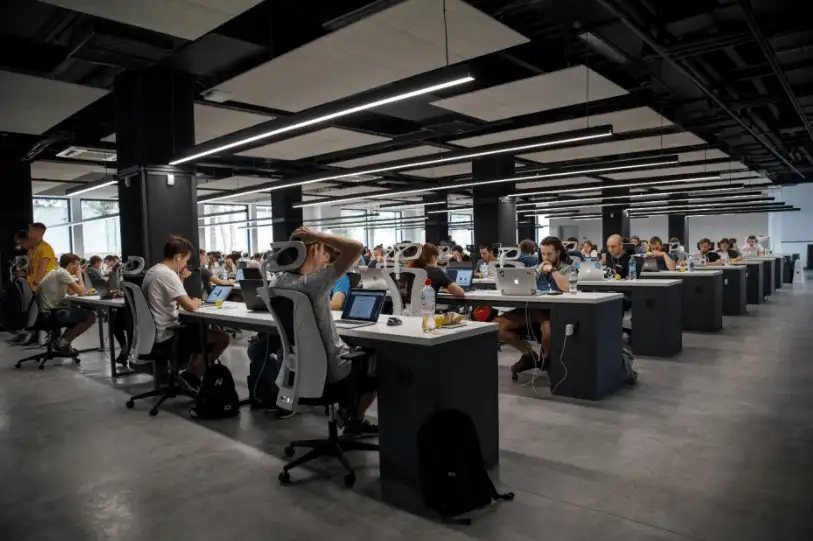
Moving from a fully remote setup back to an office or a hybrid schedule is more than just a change of scenery; it is a major psychological shift. For years, your home may have served as your office, gym, and sanctuary all at once. Returning to a communal workspace introduces sensory inputs, social expectations, and logistical hurdles that you have not had to manage on a daily basis for quite some time.
It is normal to feel fatigued during the first few weeks of this transition. To ease the friction, acknowledge that your productivity levels might fluctuate initially. Give yourself permission to adapt slowly rather than expecting to instantly match your pre-pandemic office stamina. Give yourself grace as you rebuild your social battery.
Audit and Optimize Your Daily Commute
The commute is often the most jarring aspect of returning to a physical office. Instead of viewing travel time as lost hours, actively reclaim it as a transition buffer. You can use this time to listen to educational podcasts, read, or practice mindfulness, which helps separate your professional life from your domestic life.
To keep things practical and cost-effective, audit your transit options. If you drive, check if your employer offers pre-tax parking benefits. If you use public transit, set up an automatic transit card reload system, but keep it easily reversible so you can pause payments during vacation weeks or if your hybrid schedule changes. Always verify current transit schedules and parking rates with local operators, as routes and pricing frequently fluctuate.
Establish Hard Digital Boundaries
One of the hidden traps of transitioning from remote work to a hybrid model is "double duty"—the tendency to work full office hours and then log back in at home because you are still accustomed to your remote habits. To prevent burnout, you must establish clear digital boundaries.
Set your work communication tools, such as Slack, Teams, or email, to automatically turn off notifications at a specific time each evening. Let your colleagues know your active hours. If you must check messages outside these hours, do so through a web browser rather than keeping the apps active on your personal phone. This simple, reversible friction makes it much easier to disconnect physically and mentally.
Rebuild Flexible Morning and Evening Routines
During remote work, morning routines often shrank to a five-minute walk from the bed to the laptop. Re-entering the physical workplace requires rebuilding a structured routine that accounts for grooming, breakfast, and travel. Start adjusting your sleep schedule incrementally by going to bed 15 minutes earlier each night until you reach your target wake-up time.
Prepare as much as possible the night before to reduce morning decision fatigue. Lay out your clothes, pack your bag, and prep your lunch. If this level of structure feels too rigid, you can easily reverse or modify it on your designated work-from-home days to enjoy a slower morning, keeping your weekly routine flexible yet sustainable.
Master the Art of Hybrid Calendar Blocking
A successful hybrid schedule relies on matching your tasks to your environment. Use your office days for collaborative work, such as team brainstorming sessions, client meetings, and social networking. Save your remote days for deep, focused work that requires quiet concentration.
Color-code your calendar to distinguish between "in-office" and "at-home" tasks. Block out specific times for administrative chores, and make your calendar visible to your team so they know when you are available for face-to-face collaboration. Because company policies regarding core collaboration hours are subject to change, regularly check in with your HR department or supervisor to ensure your calendar aligns with current organizational expectations.
Advocate for Your Needs and Monitor Energy
The transition back to a shared workspace is not a one-size-fits-all process. What works for a colleague might not work for you. Pay close attention to your energy levels throughout the week. If you find that working three days in the office is draining your productivity, prepare a data-backed case to present to your manager requesting a temporary adjustment to a two-day schedule.
Remember that hybrid work policies are highly dynamic and vary greatly by industry and company size. Keep open lines of communication with your team, and remain willing to experiment with different schedules until you find the balance that supports both your professional output and your personal well-being.