Safe Digital Transactions: How to Protect Your Money from Zelle and Payment App Scams
Learn how to identify peer-to-peer payment fraud, secure your mobile accounts, and protect your hard-earned money from digital thieves.
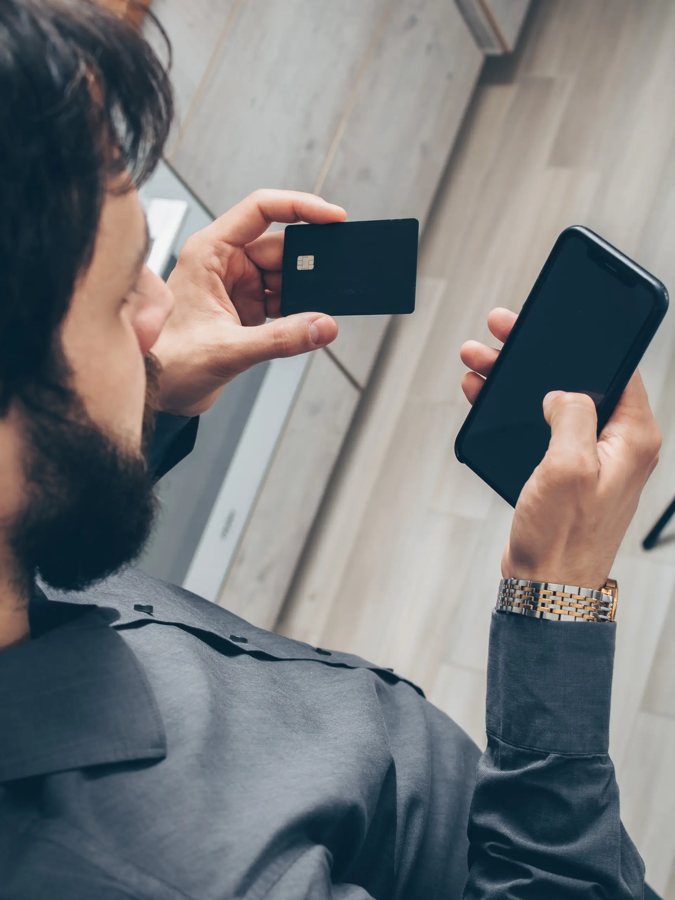
The Rise of Payment App Fraud
Digital peer-to-peer (P2P) payment systems have revolutionized how we split dinner bills, pay rent, and send money to family. However, the instant nature of these transactions makes services like Zelle prime targets for financial criminals. Unlike traditional credit card transactions or wire transfers, peer-to-peer transfers move money from your bank account to the recipient's in a matter of seconds. Once you authorize the transaction, clawing those funds back is incredibly difficult.
Scammers exploit this speed by creating high-pressure scenarios that force quick decisions. Because the system is designed for trusted friends and family, it lacks the robust buyer protection programs found in traditional merchant accounts. Understanding how these systems work is the first line of defense in keeping your bank account secure.
General educational information only; it is not individualized financial, tax, lending, or investment advice. Verify current terms with an appropriate professional or official agency.
Sources: consumer.ftc.gov
Spotting the Warning Signs of a Zelle Scam
A primary indicator of a scam is how the individual requests payment. If an unexpected caller, email, or text message insists that you must settle an urgent debt, pay for a prize, or resolve a utility issue exclusively through a payment app, you are likely dealing with a scammer. Legitimate businesses and government entities rarely demand payment through peer-to-peer platforms.
Another red flag is the "accidental deposit" trick, where a stranger claims they sent you money by mistake and asks you to send it back. Often, the initial funds were sent using a stolen credit card, and once the bank reverses the fraudulent transfer, you will be out of whatever money you sent in return. Treat any unsolicited transaction request with extreme skepticism.
Sources: consumer.ftc.gov
Practical Steps to Verify the Recipient
Before sending any money, always verify the recipient's information through an independent channel. If a friend requests money, call them directly using a saved contact number to confirm the request is genuine. Do not rely on the phone number or email address provided in a suspicious text message or email, as these can easily be spoofed.
To minimize risk, execute a small test transaction. Send a single dollar first and wait for the recipient to confirm they received it before transferring the full amount. This simple, reversible habit ensures that you are sending money to the correct account. If you make a mistake, you only lose one dollar instead of your entire balance.
Sources: consumer.ftc.gov
Securing Your Payment App Settings
Securing your mobile device and the payment apps installed on it is crucial to preventing unauthorized access. Start by enabling multi-factor authentication (MFA) on your banking and payment applications. This requires a secondary verification step, such as a biometric scan or a code sent to your phone, before any transaction can be completed.
Additionally, configure immediate push notifications for all transaction activity. If an unauthorized transfer occurs, you will be alerted instantly, allowing you to contact your financial institution immediately. Regularly review your linked bank accounts and remove any cards or accounts that you no longer use to minimize your digital footprint.
Sources: www.ftc.gov
What to Do If You Have Been Scammed
If you discover that you have fallen victim to a payment app scam, you must act quickly. First, contact your bank or the financial institution linked to your payment app immediately. While peer-to-peer transactions are difficult to reverse, notifying your bank's fraud department right away is the best way to secure your account and prevent further unauthorized withdrawals.
Next, change your passwords and update your security questions for all financial accounts. If you shared any personal information, freeze your credit reports to prevent identity theft. You should also file an official complaint with consumer protection agencies to document the incident and help authorities track the fraudulent accounts.
Sources: www.consumerfinance.gov, www.ftc.gov
Reporting Fraud to Government Agencies
Reporting the incident to federal consumer protection databases is an essential step in combating digital fraud. By submitting a detailed report of the scam, including the phone numbers, email addresses, and payment tags used by the scammer, you provide law enforcement with the data needed to investigate and shut down these operations.
These reports help agencies identify emerging patterns and issue public warnings to protect other consumers. While recovering your funds is not guaranteed, taking the time to report the fraud helps build a safer digital environment for everyone. Always stay informed about changing rules and security protocols by consulting official consumer resources.
General educational information only; laws, program rules, fees, and eligibility change. Confirm current requirements with the responsible government agency or a qualified professional.
Sources: www.ftc.gov
- https://consumer.ftc.gov/consumer-alerts/2024/05/how-avoid-scammers-when-you-use-payment-apps
- https://www.consumerfinance.gov/consumer-tools/
- https://www.ftc.gov/advice-guidance/consumers
- https://www.irs.gov/
- https://www.fcc.gov/consumers/guides/inmate-telephone-service
- https://www.archives.gov/veterans/military-service-records
- https://www.va.gov/