Smart Ways to Track Travel Expenses and Control Your Budget on the Road
Learn how to manage your travel spending using modern digital tools, keep secure financial records, and remain budget-conscious while exploring the world.
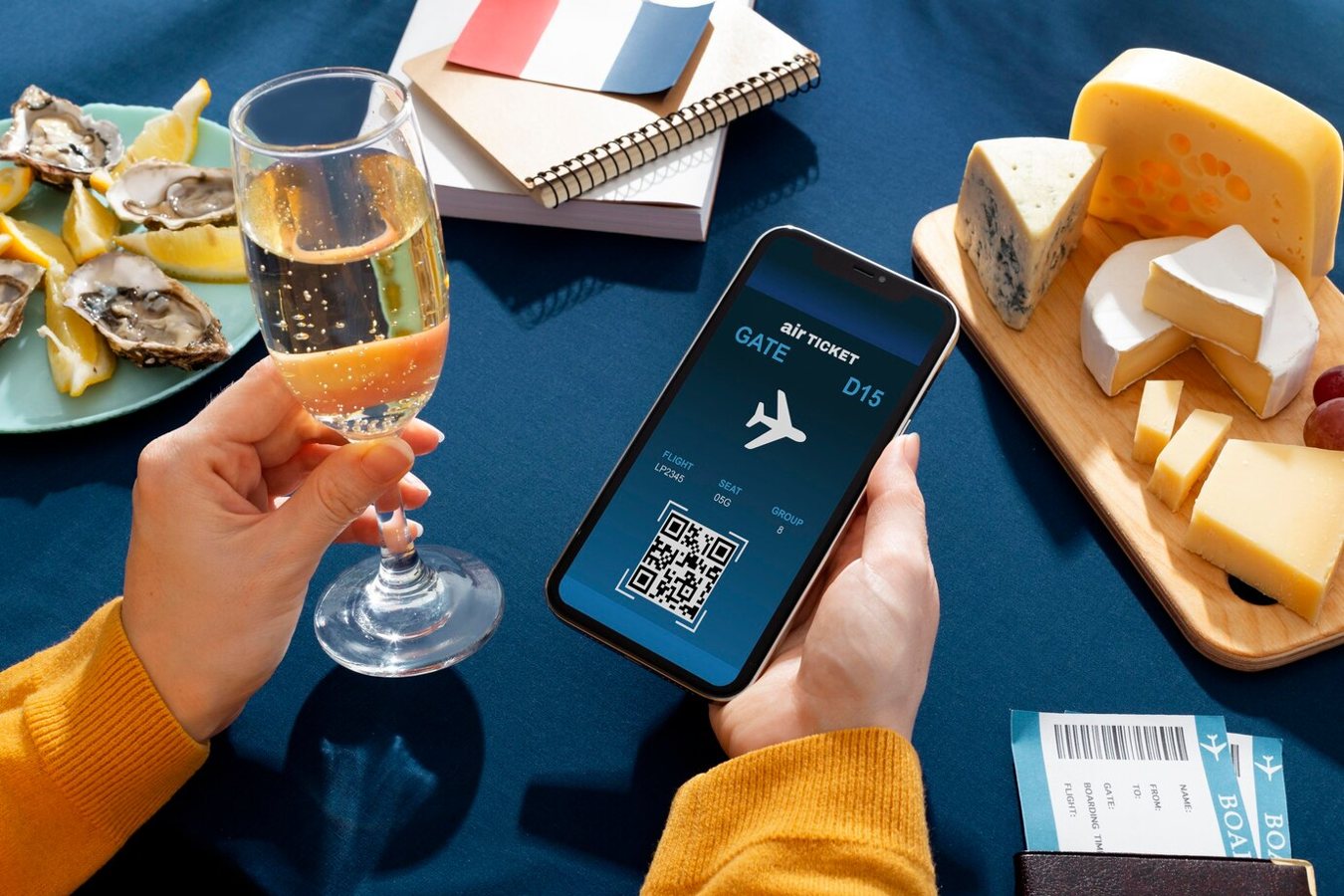
The Importance of Real-Time Expense Tracking
Traveling is an enriching experience, but without careful monitoring, costs can quickly spiral out of control. Utilizing modern digital tools allows you to track transactions as they occur, preventing the unpleasant surprise of a depleted bank account at the end of your trip. Before diving into the technical aspects of budgeting, please keep in mind that this guide provides general educational information only; it is not individualized financial, tax, lending, or investment advice. You should always verify current terms with an appropriate professional or official agency.
Having a clear overview of your financial situation helps you make informed choices while on the go. By leveraging tools designed to monitor daily outlays, you can adjust your spending patterns dynamically. This proactive approach ensures you maintain financial stability both during your journey and after you return home. For broad assistance with managing daily money decisions and understanding different financial products, official consumer resources can help guide your choices.
Sources: www.consumerfinance.gov
Choosing the Right Budgeting and Expense Apps
To successfully manage your money while roaming, you need tools that fit your travel style. Many modern apps allow you to log expenses in various currencies, automatically converting them to your home currency using real-time exchange rates. When selecting an app, look for features like manual quick-entry, receipt photo storage, and category tagging. Because exchange rates and subscription fees fluctuate, always verify current pricing and features before committing to a paid app.
If you travel with a group, split-expense tools are highly beneficial. These apps let multiple users log shared costs, such as lodging or group dinners, and calculate exactly who owes what. To prevent overspending, many travelers also utilize prepaid cards or set up strict transaction alerts on their primary credit cards. If you ever experience unfair practices or unresolved issues with credit cards or prepaid cards during your travels, you have options to submit a formal complaint to regulatory bodies to seek assistance.
Sources: www.consumerfinance.gov
Tracking Mileage and Transportation Costs
Transportation is often one of the largest variables in a travel budget. Whether you are renting cars, taking trains, or using rideshare services, these costs accumulate rapidly. For those who travel for business or self-employment, keeping an accurate record of your journeys is particularly important for potential tax write-offs or employer reimbursements.
Using specialized GPS-based mileage tracking apps can automate this process by logging your routes and distances in real-time. If you are tracking driving distances for business purposes, remember to align your logs with official standards. The government publishes standard mileage rates annually to help individuals calculate deductible costs for operating an automobile. Because these rates are subject to change each year, you should confirm the current applicable rates before calculating your deductions.
Sources: www.irs.gov
Keeping Your Financial Data Secure on the Road
While tracking your expenses digitally is highly convenient, it also introduces security risks, especially when connecting to public Wi-Fi networks in airports, hotels, or cafes. Unsecured networks make your financial accounts vulnerable to interceptive attacks. To mitigate this risk, always use a reputable Virtual Private Network (VPN) when logging into banking apps or entering payment details online.
Additionally, ensure that any website you use to manage your money employs secure encryption, which is typically indicated by "https://" in the web address. Taking these precautions helps prevent identity theft and online fraud while you travel. If you suspect that your sensitive personal information or financial data has been compromised, you should act immediately by reporting the incident to consumer protection agencies and utilizing official recovery resources.
Sources: www.ftc.gov
Organizing Digital Receipts and Tax Documents
Paper receipts are easily lost, damaged, or faded during transit. Transitioning to a digital receipt storage system is a highly practical step for any traveler. Many expense-tracking apps feature optical character recognition (OCR) technology, which can automatically extract the merchant name, date, and total amount from a photo of a receipt.
Maintaining clean digital records is not only helpful for staying on budget but also essential if you need to access your tax records or support business expense claims later. Keeping organized records throughout the year ensures you are prepared when filing your annual returns. If you ever need to verify past filings or obtain official transcripts of your tax history, secure online portals are available to help you retrieve these documents directly.
Sources: www.irs.gov
Managing Card Settings and Addressing Discrepancies
A concrete and reversible step you can take before traveling is adjusting your card settings through your bank's mobile app. Many financial institutions allow you to toggle international spending on or off, set temporary daily spending limits, or lock your card entirely if it goes missing. These settings can be instantly reversed once you return home or find your card, offering a flexible layer of security.
If you spot an unauthorized charge or face a billing dispute with a merchant while abroad, contact your financial institution immediately to resolve the issue. If your bank or credit card company fails to address the problem fairly, you can submit an official complaint to regulatory agencies. These organizations work to ensure that financial companies treat consumers fairly and resolve disputes within a reasonable timeframe.
Sources: www.consumerfinance.gov