The Beachcomber’s Guide to Ambergris: How to Spot, Test, and Legally Sell "Floating Gold"
Discover the science, legalities, and practical identification steps for ambergris, the rare ocean treasure that can turn a coastal stroll into a multi-million dollar windfall.
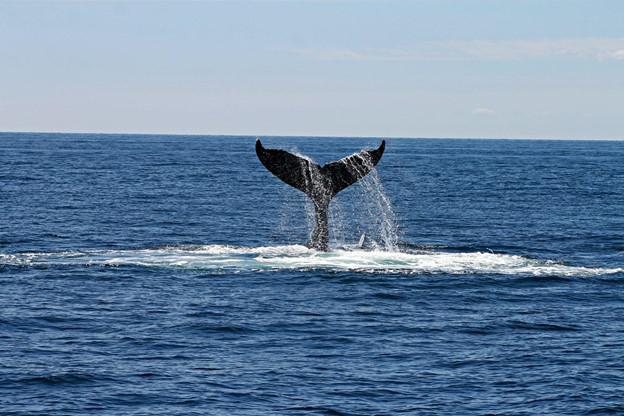
The Multi-Million Dollar Ocean Treasure
Ambergris, often colloquially referred to as "whale vomit," is one of the most bizarre and lucrative natural phenomena on Earth. Produced exclusively in the digestive systems of sperm whales, this waxy substance can float on the ocean surface for decades before washing up on remote beaches. To the untrained eye, it looks like a weathered, gray stone or a chunk of discarded tallow. To luxury perfume manufacturers, however, it is a priceless raw material.
While it originates as a pathological secretion to protect the whale's stomach lining from sharp squid beaks, the substance undergoes a dramatic chemical transformation as it floats in saltwater and bakes under the sun. By the time it reaches land, it has cured into a highly sought-after commodity. Recent discoveries by lucky beachcombers and coastal wanderers have yielded hauls valued at upwards of $1.5 million, proving that coastal exploration can occasionally rival winning the lottery.
Why Perfumers Pay Millions for Ambergris
The astronomical value of ambergris stems from its unique chemical properties, specifically a compound called ambrein. In its raw form, fresh ambergris has a strong, unpleasant fecal odor. However, as it ages and oxidizes over years of exposure to marine environments, it develops a complex, sweet, and earthy aroma. This scent profile is incredibly difficult to replicate perfectly in a laboratory.
More importantly, ambergris serves as a powerful fixative in high-end perfumery. It prevents volatile scent molecules from evaporating quickly, allowing expensive fragrances to linger on human skin for days. While synthetic alternatives exist, major luxury fragrance houses still pay premium prices for genuine, high-grade natural ambergris to maintain the integrity of their signature scents.
How to Identify Real Ambergris (and Avoid Fools' Gold)
Because of its immense value, beachcombers frequently mistake common beach debris—like paraffin wax, sea coal, decomposed animal fat, or weathered plastic—for ambergris. To separate genuine ambergris from ocean waste, you must look for several distinct physical clues. True ambergris is lightweight, has a waxy texture, and features a marbled interior ranging from white and yellow to dark gray or black.
A reliable, non-destructive initial test is the "hot needle test." Heat a metal needle or wire until it glows red, then gently press it into the surface of the object. If it is ambergris, the surface will melt instantly into a dark, shiny, waxy liquid, releasing a unique musky, sweet fragrance rather than the smell of burning plastic or rotting fat. Additionally, ambergris is insoluble in water but will dissolve in hot alcohol.
Legal Minefields: Where is Ambergris Illegal to Possess?
Before you attempt to salvage or sell any beach find, you must navigate a complex web of international conservation laws. Because sperm whales are an endangered species, many countries strictly regulate or outright ban the possession and trade of any whale-derived products. For instance, in the United States, the Marine Mammal Protection Act makes it illegal to collect, possess, or sell ambergris, even if it washed up naturally on a beach.
Conversely, the legal status is much more permissive in other jurisdictions. In the European Union and the United Kingdom, ambergris is legally classified as a natural waste product rather than a harvested whale part, meaning it is legal to salvage and sell. Australia has similarly nuanced laws that have shifted over time. Because conservation regulations and international trade treaties are subject to frequent updates, you must consult local wildlife authorities and maritime lawyers before attempting to transport or sell your find.
What to Do If You Find Ambergris on the Beach
If you believe you have discovered ambergris in a jurisdiction where salvage is legal, your immediate steps are critical to preserving its value. First, document the exact coordinates, date, and time of the find, and take high-resolution photographs of the specimen in situ. This documentation provides a clear chain of custody, which is vital when verifying its origin to potential buyers.
Once secured, do not store the ambergris in airtight plastic bags, as this traps moisture and can cause the substance to rot, destroying its delicate scent profile. Instead, wrap it loosely in clean cotton cloth or parchment paper and store it in a cool, well-ventilated area. Allowing the moisture to evaporate naturally will cure the ambergris further, potentially enhancing its market value over time.
How Ambergris is Valued and Sold
The market value of ambergris is highly volatile and depends entirely on the quality, color, and age of the piece. White and silver-gray specimens that have spent the longest time at sea command the highest prices because they possess the most refined scent. Darker, black specimens are fresher, less cured, and consequently worth significantly less.
Selling ambergris is not as simple as listing it on an online auction site. You will need to send a small sample (typically less than a gram) to a certified specialist or university laboratory for chemical analysis. Once authenticated, sales are usually brokered through specialized brokers or directly with boutique fragrance houses. Because prices fluctuate wildly based on global supply and demand, sellers should seek multiple professional valuations and remain prepared for a lengthy negotiation process.