The Complete Honda CR-V Evaluation: Balancing Efficiency, Utility, and Daily Comfort
An in-depth look at how Honda's flagship compact crossover performs in the real world, helping you decide between turbocharged power and hybrid efficiency.
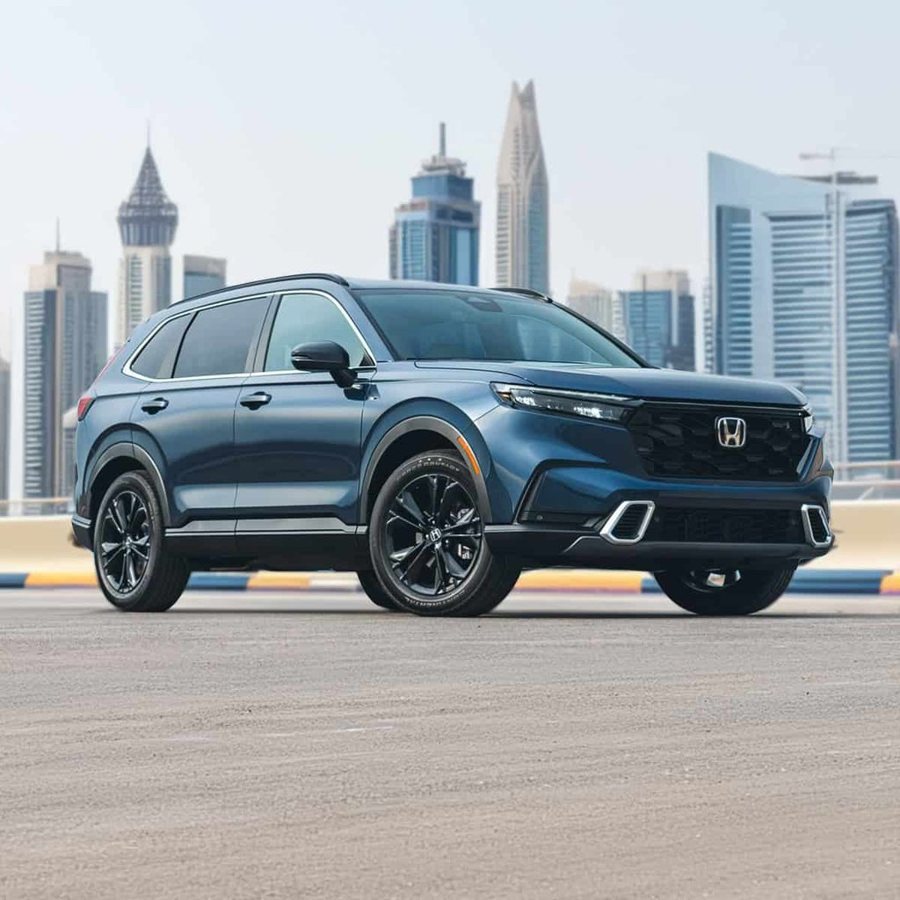
The Benchmark of the Compact SUV Class
For decades, the Honda CR-V has served as a default recommendation for families seeking dependable, hassle-free transportation. The latest generation elevates this formula with a more mature, rugged exterior design and an interior layout that punches above its weight class. It faces fierce competition from rivals like the Toyota RAV4 and Subaru Forester, but its balanced driving dynamics and clever packaging keep it at the top of many shopping lists.
What makes this vehicle stand out is its predictability in the best way possible. From the commanding view of the road to the intuitive layout of the dashboard, there are very few learning curves for new owners. Whether you are upgrading from an older sedan or downsizing from a larger three-row SUV, the transition into this cabin feels instantly familiar and accommodating.
Powertrain Decisions: Turbocharged vs. Hybrid
Buyers must choose between two distinct powertrains. The entry-level trims utilize a 1.5-liter turbocharged four-cylinder engine paired with a continuously variable transmission (CVT). This setup provides adequate power for daily commuting and highway merging, though the CVT can occasionally cause the engine to drone under heavy acceleration.
For a more refined experience, the dual-motor hybrid system paired with a 2.0-liter four-cylinder engine is the standout choice. The hybrid variant delivers a more immediate response off the line due to its electric torque, creating a quieter and smoother driving experience around town. Keep in mind that real-world fuel economy will vary based on your driving style, local topography, and seasonal weather changes. Always consult official EPA estimates and real-world owner forums to set realistic efficiency expectations for your specific region.
Cabin Ergonomics and Cargo Versatility
Inside, the cabin features a distinctive honeycomb mesh accent across the dashboard that cleverly conceals the air vents. The physical switchgear feels robust, and the overall materials used in high-touch areas are soft to the touch. Rear-seat passengers are treated to exceptional legroom, making it easy to install bulky rear-facing child safety seats without forcing front occupants to slide forward.
Cargo capacity remains a primary selling point. The rear cargo area features a low load floor, making it easy to lift heavy luggage or groceries into the back. While the rear seats fold nearly flat to accommodate larger cargo items, note that hybrid models may have slight variations in under-floor storage compared to non-hybrid models due to the placement of the hybrid battery pack. If maximizing hidden storage is crucial for you, inspect both variants in person at a dealership.
Technology, Connectivity, and Daily Usability
Honda has taken a conservative but highly functional approach to cabin technology. Base trims typically feature a smaller touchscreen, while upper trims upgrade to a larger display. Both systems retain physical volume knobs and shortcut buttons, which significantly reduces driver distraction compared to strictly touch-based interfaces.
Smartphone integration via Apple CarPlay and Android Auto is standard, though wireless connectivity is often reserved for higher trim levels. If you opt for a trim with wired connectivity, using a high-quality, certified USB cable is recommended to prevent random disconnections while driving. Because software compatibility can change with smartphone operating system updates, check with your local dealer to ensure your specific device is fully supported.
Safety Technology and Honda Sensing
Safety is a cornerstone of the brand's identity, and a comprehensive suite of driver-assist technologies comes standard. This system includes adaptive cruise control, lane-keeping assist, and road departure mitigation. In real-world driving, these systems operate smoothly without being overly intrusive, though the lane-keep assist can occasionally be sensitive to faded lane markings or construction zones.
It is important to remember that these camera- and radar-based safety systems have physical limitations. Heavy rain, snow, or direct glare from the sun can temporarily disable certain sensors. If a sensor becomes blocked by road grime or snow, a warning light will illuminate on the dashboard. This is a normal, reversible condition; safely pulling over and wiping the windshield camera area or front radar emblem will restore full functionality.
Trim Selection and Smart Purchasing Strategies
Choosing the right trim level requires balancing your budget against your must-have features. The non-hybrid trims offer a lower barrier to entry and are excellent value propositions for budget-conscious buyers. However, if your daily commute involves heavy stop-and-go traffic, the fuel savings and smoother power delivery of the hybrid trims (often designated as Sport trims) quickly justify their higher initial cost.
Before visiting a showroom, verify current manufacturer incentives and regional pricing packages, as dealership markups and inventory levels can fluctuate significantly. Always request an itemized out-the-door price sheet that breaks down taxes, registration fees, and dealer-installed accessories. Taking the time to test drive both the turbocharged and hybrid models back-to-back on your typical commute routes will provide the ultimate clarity on which configuration fits your lifestyle.