The Eco Bike Effect: How Two Wheels Are Rewriting the Commuter Carbon Equation
Switching even a fraction of your daily trips from a car to a bicycle can dramatically shrink your carbon footprint while transforming urban spaces.
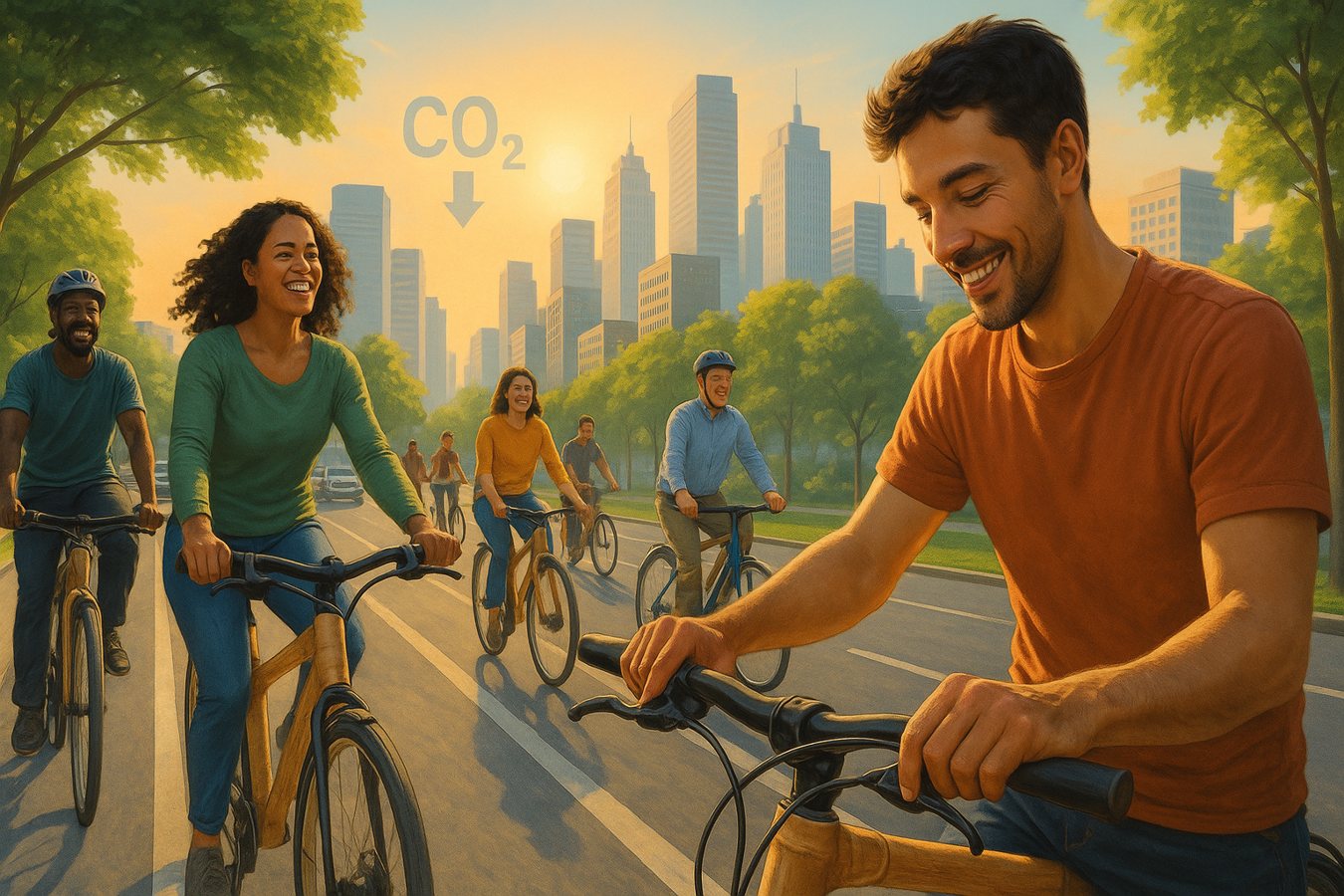
The Modern Commute: Beyond the Tailpipe
The daily commute has long been dominated by single-occupancy vehicles, contributing heavily to urban air pollution and global greenhouse gas emissions. However, a quiet revolution is taking place on city streets as more people turn to bicycles for their daily transportation needs. By choosing to pedal instead of drive, commuters are directly eliminating tailpipe emissions, which include carbon dioxide, nitrogen oxides, and fine particulate matter. This shift does more than just clear the air; it reduces the overall demand for fossil fuels and eases urban congestion.
Short trips under five miles make up a surprisingly large percentage of daily vehicle travel. These short drives are actually the most polluting mile-for-mile, as car engines do not run at peak efficiency until they are fully warmed up. Replacing these brief journeys with bicycle rides offers an immediate and highly effective way to curb personal emissions.
Quantifying the Eco Bike Effect
To understand the impact of the bicycle, it helps to look at the comparative math of transit emissions. A standard internal combustion engine passenger vehicle emits a significant amount of carbon dioxide for every mile driven. In contrast, a traditional bicycle produces zero operational emissions. The only fuel required is the food consumed by the rider, which has its own agricultural footprint, but this remains incredibly small—often calculated to be less than a tenth of the emissions of a typical car ride over the same distance.
Even when compared to electric vehicles (EVs), bicycles emerge as a highly efficient choice. While EVs eliminate tailpipe emissions, they still rely on electricity grids that may be powered by fossil fuels, and their heavy batteries require intensive resource extraction. The lightweight nature of a bicycle means it requires a fraction of the energy to move a person from point A to point B.
E-Bikes: Amplifying the Shift
Electric bicycles, or e-bikes, have bridged the gap for those who find traditional cycling too physically demanding or impractical for longer distances. With a small electric motor assisting the rider's pedaling, e-bikes make hilly terrain, heavy cargo, and double-digit mileage commutes entirely manageable. This technology has expanded the demographic of daily riders, allowing older adults and those with physical limitations to participate in active transit.
From an emissions perspective, the electricity required to charge an e-bike battery is remarkably low. Charging a typical e-bike battery uses about as much energy as running a laptop for a few hours. While energy grid compositions vary by region—meaning your charging emissions will depend on whether your local utility uses coal, natural gas, or renewables—the overall carbon footprint of an e-bike trip remains vastly lower than any car journey.
The Lifecycle Footprint: Bikes vs. Cars
To truly evaluate the environmental benefit of cycling, one must consider the entire lifecycle of the vehicle, from manufacturing to disposal. Building a car—whether gasoline-powered or electric—is an energy-intensive process that requires tons of steel, aluminum, plastics, and rare earth minerals. The manufacturing footprint of a car is so large that a new vehicle starts its life with a significant carbon debt before it ever drives its first mile.
Bicycles, by comparison, require minimal materials and energy to manufacture. A standard steel, aluminum, or carbon fiber bicycle frame has a negligible production footprint. Even e-bikes, which require lithium-ion batteries, offset their manufacturing emissions within a few hundred miles of replacing car trips. Because bicycles are durable and relatively simple to maintain, they can remain in service for decades with minimal replacement parts.
Infrastructure and the Network Effect
The benefits of cycling multiply when communities invest in dedicated bicycle infrastructure. Protected bike lanes, bike-sharing programs, and secure parking facilities make riding safer and more appealing to the general public. As more people feel comfortable riding, a positive feedback loop is established: increased ridership justifies further infrastructure spending, which in turn attracts even more cyclists.
This network effect has broader implications for urban environments. When cities prioritize bicycles over cars, they can repurpose space previously dedicated to parking lots and wide roadways. Replacing asphalt with green spaces, parks, and tree-lined pathways helps reduce the urban heat island effect and improves rainwater management, creating more resilient and livable cities.
Practical Steps to Transition Your Commute
Transitioning from driving to cycling does not have to be an all-or-nothing decision. You can start with small, reversible changes to build confidence and establish a routine. Begin by identifying one short trip you regularly make—such as a weekend trip to a local coffee shop or a light grocery run—and commit to doing it on two wheels.
To make your bicycle more utility-focused, consider adding a rear rack and a set of pannier bags to carry cargo comfortably without wearing a heavy backpack. Always plan your route in advance using bicycle-specific maps, which often highlight quieter side streets and dedicated paths rather than busy main roads. Keep your car as a backup option to remove the pressure; as you become more comfortable navigating your local area, you can gradually increase the frequency of your bike trips. Note that local traffic laws and cycling regulations can vary, so it is always wise to verify your regional rules regarding e-bike classifications and safety gear before heading out.